


Stroke is a major cause of disability and death worldwide. In recent years, the development of thrombectomy devices for the treatment of acute ischemic stroke has revolutionized the medical management of stroke patients. A thrombectomy device is a specialized tool used to remove blood clots from arteries in the brain, allowing for the reestablishment of blood flow to the affected area. This article will provide an overview of the different types of thrombectomy devices, and highlight their potential benefits for patients.
Types of thrombectomy devices
There are several types of thrombectomy devices available, including stent retrievers, aspiration catheters, and balloon-guided catheters. Each device works in a different way, but they all aim to remove the clot from the bloodstream and restore blood flow to the affected area.
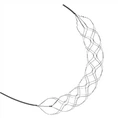
Stent retrievers are the most commonly used thrombectomy devices. They consist of a stent-like wire mesh that is inserted into the affected artery, expanded to capture the clot, and then retracted back out of the body, taking the clot with it.
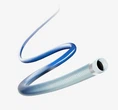
Aspiration catheters are another option. They use suction to draw the clot out of the artery, and can be used in combination with stent retrievers for better clot removal.
Balloon-guided catheters work by inflating a balloon in the affected artery, blocking blood flow to the area where the clot is located. Then, the catheter is used to remove the clot while the balloon remains inflated.
Benefits of thrombectomy devices
The benefits of thrombectomy devices for patients with acute ischemic stroke are significant. By removing blood clots from the arteries in the brain, thrombectomy devices can restore blood flow to the affected area, which can improve neurological function and reduce disability.
Studies have shown that patients who receive thrombectomy treatment within 6 hours of symptom onset are more likely to have good functional outcomes, compared to those who do not receive treatment or receive treatment after 6 hours. In addition, thrombectomy treatment has been shown to reduce mortality rates and improve quality of life for stroke patients.
Thrombectomy devices also have a lower risk of complications compared to other types of stroke treatments, such as medication or surgery. This makes them a safer and more effective option for many patients.
Thrombectomy devices are a promising new development in the treatment of acute ischemic stroke. They offer hope for stroke patients who may have previously had few options for improving their neurological function and quality of life. With ongoing research and development, we can expect these devices to become even more effective and widely used in the years to come.