




Ischemic stroke is a leading cause of death and disability around the world. It is caused by an interruption of blood flow to the brain due to a clot in a blood vessel. Thrombus aspiration devices, also known as clot retrieval devices or clot-busting devices, have emerged as a highly effective tool for treating ischemic stroke.
Thrombus aspiration devices work by physically removing the clot from the blocked blood vessel, allowing blood flow to return to the affected area of the brain. This reduces damage to the brain tissue and improves the chances of recovery. These devices are typically used in combination with other treatments, such as clot-busting drugs and thrombolytic therapy.
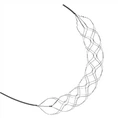
There are several types of thrombus aspiration devices available, including stent retrievers, aspiration catheters, and clot-retrieval balloons. Stent retrievers are the most commonly used devices and have been shown to be highly effective in clinical trials. They are designed to trap the clot and then remove it from the vessel using suction. Aspiration catheters work by directly suctioning the clot out of the vessel. Clot-retrieval balloons are similar to stent retrievers but use a balloon to expand and push the clot against the vessel wall to remove it.
Thrombus aspiration devices have revolutionized the treatment of ischemic stroke, improving outcomes and reducing disability. Studies have shown that using these devices can significantly improve the chances of a good recovery and reduce the risk of long-term disability. They are particularly effective in patients who have large clots or are unable to receive clot-busting drugs.
Despite their success, thrombus aspiration devices are not always available in every hospital or medical center. However, efforts are being made to expand their availability and ensure that patients have access to this life-saving treatment.
In conclusion, thrombus aspiration devices have proven to be a highly effective tool for treating ischemic stroke. When used in combination with other therapies, they can reduce damage to the brain and improve outcomes. These devices are a major breakthrough in stroke treatment and hold great promise for the future.