


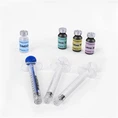
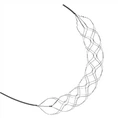
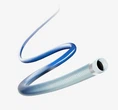
The human body depends on the efficient flow of blood to transport oxygen and nutrients to all its organs and tissues. However, various medical conditions can cause disruptions in blood circulation, leading to serious consequences such as stroke or heart attack. The good news is that medical technology has come a long way in managing such health issues, and one of the latest innovations is the revascularization device.
A revascularization device is a medical instrument designed to restore blood flow to areas of the body that have become blocked or narrowed due to a clot or plaque buildup. The most common application of this device is for the treatment of stroke caused by a clot in a blood vessel in the brain. A revascularization procedure involves inserting the device through an artery in the groin and navigating it up to the site of the blockage. Once there, the device is deployed to capture and remove the clot, restoring blood flow to the affected area.
The benefit of a revascularization device is that it can significantly reduce the risk of long-term disability and complications associated with a blocked blood vessel. Research has shown that patients treated with this device have a higher chance of recovering from stroke and are more likely to regain their independent living. Moreover, the procedure is minimally invasive and can be performed quickly with a relatively short recovery period.
Apart from stroke, revascularization devices are also used in the treatment of heart attack and peripheral artery disease, two other conditions that can lead to serious health consequences. With the advancement of medical technology, revascularization devices have become more sophisticated and effective, resulting in improved patient outcomes and quality of life.
In conclusion, the development of revascularization devices is a major breakthrough in medical technology that offers hope to patients with blocked blood vessels. By restoring blood flow to affected areas of the body, this device can potentially save lives and prevent long-term complications. As medical technology continues to evolve, we can look forward to more innovative solutions that enhance our ability to diagnose and treat complex health issues.