




Acute ischemic stroke is a devastating event that can lead to permanent disability or death. When the blood supply to the brain is interrupted, brain cells begin to die, and immediate treatment is essential to prevent irreversible damage. Thrombectomy using a clot-retrieving device is an innovative treatment option that can restore blood flow to the brain and improve outcomes for patients with acute ischemic stroke.
Thrombectomy is a minimally invasive procedure that involves the insertion of a catheter into the artery to remove a blood clot. The procedure is performed under local anesthesia, and the patient is typically awake during the procedure. The clot-retrieving device is a medical tool that is inserted through the catheter and used to capture the clot. The device is then gently withdrawn, removing the clot from the blocked artery and restoring blood flow to the brain.
Thrombectomy using a stent retriever device has been shown to be highly effective in the treatment of acute ischemic stroke. Multiple clinical trials have demonstrated that patients who receive thrombectomy have better outcomes than those who receive standard medical therapy alone. The treatment is particularly effective when performed within the first six hours after the onset of symptoms, but can still be beneficial for up to 24 hours after the initial event.
Thrombectomy using a stent retrieval device has several advantages over other treatments for acute ischemic stroke. The procedure is minimally invasive and requires only a small incision, reducing the risk of complications and allowing for a faster recovery time. Additionally, the treatment can be performed quickly, reducing the time to restoration of blood flow and improving outcomes for patients.
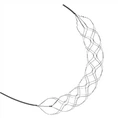
There are several types of clot-retrieving devices available for use in thrombectomy procedures. The most commonly used device is the stent retriever, which is a wire mesh device that can be deployed to capture and remove the clot. Other devices include aspiration catheters, which use suction to remove the clot, and balloon catheters, which can be used to remove the clot and also inflate the balloon to widen the blocked artery.
Thrombectomy using a clot retriever device is a safe and effective treatment option for patients with acute ischemic stroke. However, not all patients are eligible for the procedure, and it is important to carefully evaluate each patient's individual situation before making a treatment recommendation. Patients who are not good candidates for thrombectomy may still benefit from standard medical therapy or other treatments, and it is essential to work closely with a team of experienced healthcare professionals to provide the best possible care.
All in all, thrombectomy using a clot-retrieving device is an innovative and effective treatment option for patients with acute ischemic stroke. The procedure can restore blood flow to the brain and improve outcomes for patients, and is minimally invasive and quick to perform. While not all patients are eligible for the procedure, it is an important tool in the treatment of acute ischemic stroke and highlights the importance of early intervention and high-quality care for stroke patients.