


Ischemic stroke is a severe medical emergency characterized by an interruption of blood flow to the brain, caused by thrombus or embolus formation in a cerebral artery. Mechanical thrombectomy has become the leading treatment for acute ischemic stroke caused by large vessel occlusion due to its superior outcome over other treatments such as thrombolytic therapy or medical therapy. The mechanical thrombectomy technique includes different devices capable of removing the thrombus from the occluded vessel. In some cases, tandem occlusions may be detected, leading to more complexity in mechanical thrombectomy procedure. Tandem occlusion happens when two adjacent arterial stenoses cause the obstruction of two different areas in the cerebral arterial system. This condition requires more complex procedures, high-level skills, and specialized techniques to be performed.
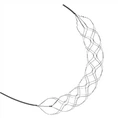
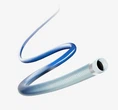
In recent years, a Direct Aspiration First Pass Technique(ADAPT) and Stent Retriever With Intracranial Support Catheter for Mechanical thrombectomy (SWIM) have been introduced as new techniques to manage tandem occlusion. ADAPT is a technique that uses a large-bore aspiration catheter to remove the clot while minimizing the use of additional equipment. It is a fast and safe procedure that has shown better results when compared to stent retriever-based thrombectomy. SWIM involves the combination of a stent retrieval (an endovascular device) with an intracranial support catheter to enhance clinical cases that require more complicated mechanical thrombectomy. SWIM helps operators to cross the proximal stenosis, avoid further fragmentation, and improve the results in patients with proximal occlusions.
Combining both techniques(ADAPT and SWIM) has brought about promising results in the management of tandem occlusion. The procedure starts with accessing the occlusion site via a femoral puncture, then navigating through the stenosis using the Intracranial support catheter and placing a Solitaire stent. After that, the SWIM technique is then implemented, allowing for the passage of large-bore aspiration catheter through the stent cells for removal of the distal thrombus. The stent retrieval device supports the clot to avoid further fragmentation during the aspiration procedure, while the Intracranial support catheter provides the necessary stability to perform the maneuver.
The latest studies regarding the ADAPT-SWIM technique have shown that successful recanalization rates are higher than 85%, which is higher than rates achieved through separate procedures. Patients who have undergone the procedure experience a reduction in the National Institutes of Health Stroke Scale (NIHSS) score, which measures the severity of strokes. The reduction occurs due to quick recanalization and fast revascularization. The advantages obtained by ADAPT-SWIM technique extend to patients' safety as it decreases the chances of embolization, reducing the need for multiple procedures, and stimulating an overall quicker clinical recovery.
All in all, the ADAPT-SWIM technique has emerged as a successful intervention for patients with tandem occlusion. The combination of the ADAPT and SWIM techniques has come together to offer a safe, fast, and effective way to alleviate the problems of ischemic stroke caused by LVO. With its reduced procedural time, increased safety, and better clinical outcomes, it has brought a glimmer of hope to the world of medicine. The application of ADAPT-SWIM technique has revolutionized the management of ischemic stroke due to LVO, demonstrating its potential life-saving outcomes in individuals in need.