

A nonadhesive liquid embolic agent composed of ethylene vinyl alcohol copolymer has recently been proven to be an effective treatment option for cerebral arteriovenous malformations (AVMs). In this article, we will explore the benefits and applications of this treatment option.
Firstly, let us understand what cerebral AVMs are. They are abnormalities of the vascular system in the brain, where arteries and veins are tangled together. This can put pressure on the surrounding tissues and cause a range of symptoms, such as headaches, seizures, and even stroke. Treatment for AVMs can vary depending on the severity of the condition, but one option is embolization.
Embolization is a procedure where a substance is injected into the blood vessels to block the abnormal blood flow and reduce the size of the AVM. Until recently, the most commonly used embolic agents were glue and coils. However, these options are not without their limitations.
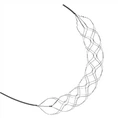
Glue can be difficult to control during the procedure and may cause permanent blockage of the blood vessels. Coils may not be able to reach the deeper parts of the AVM and may also migrate to other parts of the brain. This is where the nonadhesive liquid embolic agent composed of ethylene vinyl alcohol copolymer comes in.
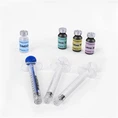
This liquid embolization agent is created by mixing ethylene vinyl alcohol copolymer with dimethyl sulfoxide. The resulting mixture is a nonadhesive liquid that can be precisely controlled during the embolization procedure. It is also able to penetrate deeper into the AVM and solidify quickly, allowing for a more effective blockage of the abnormal blood flow.
Studies have shown promising results in the use of this nonadhesive liquid embolic agent for the treatment of cerebral AVMs. One study found that 90% of patients treated with this agent had a complete or near-complete blockage of the AVMs within 24 hours of the procedure. Additionally, there were no significant complications reported during or after the procedure.
Another benefit of this treatment option is that it can be used in conjunction with other treatments, such as surgery or radiation therapy. Embolization can help shrink the size of the AVM before surgery, making the procedure safer and more effective. It can also be used as a supplementary treatment after surgery or radiation therapy to ensure that any remaining abnormal blood vessels are blocked.
In summary, the nonadhesive liquid embolic agent composed of ethylene vinyl alcohol copolymer is a promising treatment option for cerebral AVMs. Its ability to be precisely controlled during the procedure, penetrate deeper into the AVM, and solidify quickly makes it an effective alternative to the traditional glue and coil embolic agents. Additionally, it can be used in conjunction with other treatments, making it a versatile option for patients with cerebral AVMs.