



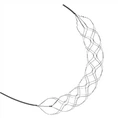

Acute ischemic stroke, caused by a clot blocking blood flow to the brain, is a leading cause of death and disability worldwide. The development of mechanical thrombectomy, or clot removal, has revolutionized the treatment of acute stroke. However, current thrombectomy devices have their limitations, and there is still a need for further improvement and innovation to optimize stroke outcomes. In the future, the direction of mechanical thrombectomy will focus on three main areas: enhancing efficacy, improving safety, and expanding accessibility.
Enhancing efficacy
The primary goal of mechanical thrombectomy is to quickly and effectively restore blood flow to the brain, which can minimize brain damage and improve outcomes. However, even with current thrombectomy devices, a significant number of patients still suffer from disability or death. Therefore, future thrombectomy devices will aim to further reduce the time and effort required to remove clots, while also ensuring complete clot removal.
One promising direction is the development of newer thrombectomy technologies, such as the use of suction devices, stent retrievers with adjustable geometry, and clot-specific devices. These devices have shown promising results in pre-clinical studies and initial clinical trials.
Improving safety
Although mechanical thrombectomy has demonstrated high efficacy, it still carries some risks, including hemorrhage and vessel injury. Therefore, future thrombectomy devices will also focus on minimizing these risks and complications.
For example, newer devices may include better control of device deployment, better visualization of the thrombus and surrounding structures, and better tracking of clot fragments during the removal process. Additionally, newer materials with better biocompatibility and lower thrombogenicity may be used to reduce the risk of vessel injury and thrombus formation.
Expanding accessibility
Currently, not all stroke patients have access to mechanical thrombectomy due to limited resources, lack of trained personnel, and geographical barriers. Thus, future thrombectomy devices will aim to improve accessibility to this life-saving treatment.
For example, newer devices may be designed for easier use by non-specialist physicians, or even for self-use by patients in remote locations. Telemedicine and artificial intelligence may also be utilized to help diagnose and triage stroke patients and direct the appropriate treatment.
With the advancement of technology, the future of mechanical thrombectomy is bright. Future thrombectomy devices will strive to enhance efficacy, improve safety, and expand accessibility. The development of newer thrombectomy technologies, improvements in device safety, and expansion of accessibility will undoubtedly improve stroke outcomes and save countless lives.