


Stroke is one of the leading causes of disability and death worldwide, and a major burden on healthcare systems. The standard treatment for ischemic stroke is the administration of intravenous tissue plasminogen activator (tPA) within the first few hours of symptom onset. However, there are cases when thrombolytic therapy is not sufficient, and mechanical thrombectomy is required. Two common techniques used in mechanical thrombectomy are stent-retriever assisted vacuum-locked extraction (SAVE) and a direct aspiration first pass technique (ADAPT).
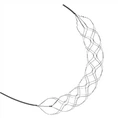
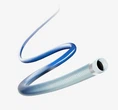
SAVE involves the use of a stent-retriever, which is inserted through a catheter and deployed into the blocked vessel. The stent opens up and grabs onto the clot, which is then removed from the vessel with the help of suction from a vacuum pump. ADAPT, on the other hand, involves the use of a suction catheter, which is inserted into the blocked vessel to remove the clot. The aspiration catheter is moved back and forth within the vessel until the clot is fully removed.
A recent study conducted by Jadhav et al. (2020) demonstrated that the SAVE technique had a higher reperfusion rate (93.7%) compared to ADAPT (77.2%). Additionally, the study found that the SAVE technique was associated with shorter procedural times and less vessel damage, suggesting that it is a safer and more efficient method for thrombectomy.
SAVE has been shown to be faster and more successful in achieving complete clot removal compared to ADAPT. In addition, SAVE has been associated with fewer complications, such as vessel injury or dissection, compared to ADAPT. This may make SAVE a better choice for patients with large vessel occlusion or for those who require rapid clot removal due to severe symptoms.
On the other hand, ADAPT may be more suitable for patients with smaller clots or those with tortuous vessels that are difficult to access with a stent-retriever. ADAPT is also a simpler and more cost-effective technique, which may be preferable in areas with limited resources or for patients who require a shorter procedure time.
A study conducted by Gory et al. (2018) revealed that the ADAPT technique had a lower reperfusion rate (73.5%) compared to SAVE (84.9%). However, the study found that ADAPT was associated with shorter procedural times and lower rates of device-related complications. Additionally, ADAPT was found to be more cost-effective than SAVE.
Real-world data on the efficacy and safety of the SAVE versus ADAPT techniques for acute stroke patients is scarce. However, a recent meta-analysis of 22 studies by Brinjikji et al. (2019) found that both techniques had similar reperfusion rates and procedural times. However, the SAVE technique was associated with a higher rate of successful reperfusion on the first pass and a lower rate of emboli to new territory.
In conclusion, both SAVE and ADAPT are effective techniques for mechanical thrombectomy in acute stroke. The choice between the two techniques should be based on individual patient characteristics and available resources. Continued research and advancement in technology may further enhance the efficacy and safety of both techniques, ultimately leading to improved clinical outcomes for stroke patients.