



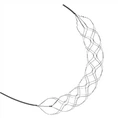
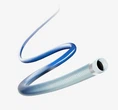
Cerebral aneurysms are life-threatening conditions that occur when an artery in the brain becomes weakened and bulges out. This bulge can rupture, causing bleeding in the brain, which can lead to stroke, brain damage or even death. Endovascular coil embolization is a minimally invasive procedure used to treat cerebral aneurysms, which involves inserting a special coil in the aneurysm to block off the blood flow and prevent it from rupturing. This article will discuss the effectiveness and feasibility of endovascular coil embolization as a treatment option for cerebral aneurysms.
Effectiveness of Endovascular Coil Embolization
Aneurysm coil embolization is a highly effective treatment option for cerebral aneurysms. The procedure involves inserting a tiny catheter through an artery in the groin and guiding it to the aneurysm site in the brain. Once the catheter is in place, a special coil made of platinum, tungsten or nickel-titanium is inserted into the aneurysm sac, filling it up and blocking the blood flow. This causes the aneurysm to shrink and disappear, reducing the risk of rupture and preventing further bleeding.
Various studies have shown that endovascular coiling for brain aneurysms is as effective as surgical clipping in treating cerebral aneurysms. A study published in the New England Journal of Medicine found no significant difference in outcomes between the two procedures, with both showing similar rates of aneurysm occlusion and low rates of complication. Another study published in the Journal of Neurosurgery found that endovascular coiling had higher rates of aneurysm re-treatment than surgical clipping, but this was due to the increased use of imaging studies in monitoring patients who had received endovascular treatment.
Feasibility of Endovascular Coil Embolization
Endovascular coil embolization is also a feasible and safe treatment option for cerebral aneurysms. The procedure is minimally invasive, which means it involves only a small incision in the groin and minimal disruption to the surrounding tissue. This reduces the risk of complications such as infection, scarring or bleeding, and allows for a quicker recovery time than surgical clipping.
Furthermore, neurovascular embolization coils can be performed under local anesthesia, which means the patient remains awake throughout the procedure and can communicate with the health care team. This reduces the risk of complications associated with general anesthesia, such as nausea, vomiting or respiratory distress.
Several studies have shown that endovascular coiling has a lower morbidity and mortality rate than surgical clipping. A study published in the Journal of Neurosurgery found that patients who underwent endovascular coil embolization had a lower rate of perioperative morbidity and a shorter hospital stay than those who underwent surgical clipping.
Endovascular coil embolization is an effective and feasible treatment option for cerebral aneurysms. The procedure is minimally invasive, safe and has a lower morbidity and mortality rate than surgical clipping. Although endovascular coil embolization has a slightly higher rate of aneurysm re-treatment, this is due to increased monitoring and does not detract from its overall effectiveness.
As with any medical procedure, intracranial coiling embolization should be carefully considered, and the health care team should provide adequate information and support to the patient and their family. However, given its positive outcomes and low complication rates, endovascular coil embolization can be considered a reliable and effective treatment option for patients with cerebral aneurysms.