




Ischemic stroke is a major cause of mortality and morbidity worldwide, and rapid reperfusion of the occluded cerebral artery is a key therapeutic strategy. There are two main approaches to endovascular thrombectomy, which includes the stent retriever and aspiration-first techniques. Both methods have been shown to be effective in restoring blood flow, but the outcomes of these different techniques remain unclear. In this review article, we aim to examine the outcomes of stent retriever versus aspiration-first thrombectomy in ischemic stroke.
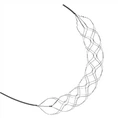
Stent retriever thrombectomy involves the insertion of a stent-like device into the affected blood vessel. The stent is then deployed and implanted into the thrombus, creating an obstruction-free pathway for blood flow. The device is then removed, along with the clot, allowing for restored blood flow and tissue perfusion. Aspiration-first thrombectomy, on the other hand, involves using a aspiration catheter, which is inserted into the thrombus to remove the clot. The aspiration catheter is used in conjunction with a guide catheter, which is placed at the base of the thrombus to ensure successful clot retrieval.
Several studies have shown that both stent retriever and aspiration-first thrombectomy are effective in restoring neurological function and improving patient outcomes. However, there are some differences in their efficacy and outcomes.
One study published in the Journal of NeuroInterventional Surgery showed that stent retriever thrombectomy had a higher rate of first-pass recanalization than the aspiration-first technique. First-pass recanalization is the restoration of blood flow after the first attempt at mechanical thrombectomy. The study also showed that stent retriever thrombectomy had a shorter time to recanalization and a higher rate of successful recanalization than aspiration-first thrombectomy. Successful recanalization is defined as a Thrombolysis in Cerebral Infarction (TICI) grade of 2b or 3, which represents complete or near-complete blood flow restoration in the affected vessel.
Another study published in the Journal of Neurosurgery showed that there was no significant difference in clinical outcomes between stent retriever and aspiration-first thrombectomy at 90 days. The study showed that both techniques had similar rates of good functional outcome, defined as a modified Rankin Scale (mRS) score of 0-2, which represents no or minor disability.
Interestingly, another study published in the Journal of Stroke and Cerebrovascular Diseases showed that stent retriever thrombectomy was associated with a lower incidence of hemorrhagic transformation than the aspiration-first technique. Hemorrhagic transformation is a complication that occurs when there is bleeding into the brain tissue, which can worsen neurological function and decrease the chances of a good outcome.
In addition, studies have shown that stent retriever thrombectomy is associated with a lower rate of post-thrombectomy embolism or distal migration of clot fragments than the aspiration-first technique. Post-thrombectomy embolism is defined as the occurrence of a new thrombus in a previously uninvolved vessel following thrombectomy, which can cause further damage to the brain tissue.
Overall, both stent retriever and aspiration-first thrombectomy are effective in restoring blood flow and improving patient outcomes in ischemic stroke. However, stent retriever thrombectomy appears to have a higher rate of first-pass recanalization, shorter time to recanalization, and a higher rate of successful recanalization than the aspiration-first technique. In addition, stent retriever thrombectomy is associated with a lower incidence of hemorrhagic transformation and post-thrombectomy embolism, which are significant complications in thrombectomy procedures. Therefore, stent retriever thrombectomy may be a preferred technique for endovascular thrombectomy in ischemic stroke.
However, the combination of the stent retriever and aspiration catheter along with the use of an intracranial support catheter has been shown to provide optimal results with minimal risk. It has several benefits over other mechanical thrombectomy techniques. First, the combination of the retriever stent and aspiration catheter ensures that the majority of the thrombus is removed from the vessel to reduce the risk of re-occlusion. Second, the use of an intracranial support catheter provides additional support during the procedure to reduce the risk of vessel injury. This support also allows for faster and easier navigation of the stent retrieval and aspiration catheter through the vessel. Finally, clinical studies have shown that the combination of the stent retriever and aspiration catheter technique is associated with a high rate of successful reperfusion and a low rate of complications. The high success rate can improve clinical outcomes for patients, including reduced disability and lower mortality rates.