



Aspiration Thrombectomy
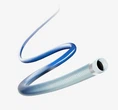
With the innovation of the intracranial thrombus aspiration system, the related technologies of thrombus aspiration are also developing rapidly. The representative technologies are FAST and ADAPT. D-H Kang and other people first applied FAST technology for thrombectomy in 2011. Following the FAST technique, Turk other people first proposed the ADAPT technique in 2013. The results of this retrospective study showed that ADAPT is a simple, effective and economical method for thrombectomy, which can be used as a first-line method for vascular reconstruction. The ADAPT method is similar to FAST. When removing the thrombus for the first time, the aspiration catheter is used to approach the thrombus and remove it completely. It is different from the previous technique of using a separator to destroy the thrombus at the tip of the catheter lumen. ADAPT technique reduces the number of thrombectomy required for reperfusion. In 2017, D. Wei and other people evaluated 16 retrospective studies on ADAPT and found that the recanalization rate reached 89.3% using ADAPT, which verified the excellent vascular recanalization rate of ADAPT technology. In 2018, Aquila and other researchers reported a 2-year prospective, randomized, double-blind controlled trial (COMPASS) to compare the therapeutic effects of ADAPT and stent retriever thrombectomy. At 90 days, the therapeutic effect no less than that of thrombectomy with stent retrieval can be achieved.
Aspiration Combined With Stent Retriever Thrombectomy
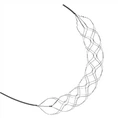
In 2013, Lee and other researchers used thrombectomy stents and aspiration combined with mechanical thrombectomy in cases of acute carotid artery terminal occlusion. And 10 patients were treated and followed up. The combined use of the two mechanical thrombectomy devices can improve recanalization rate of acute carotid artery termina occlusion. The combination of the two techniques is effective. This combination of the two devices is called the "Solumbra" technology. In addition, there are some other combined techniques including SAVE technique (stent retriever assisted vacuum locking thrombectomy), ARTS technique (stent retriever + intermediate catheter aspiration), ASAP technique (proximal balloon occlusion combined with thrombus aspiration) ). The modified Solumbra thrombectomy technique uses the distal intracranial catheter to half-retract the thrombectomy device prior to thrombectomy to shorten the thrombectomy time and reduce endothelial damage. What these techniques have in common is the combination of stent retrieval and aspiration techniques, all of which all reported higher reperfusion rates, higher first-time recanalization rates, lower thrombectomy times, and/or lower thrombus escape rates.