



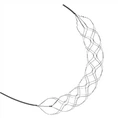

Stroke is a serious medical condition that affects millions of people worldwide. Large vessel occlusion stroke, which occurs when a blockage in a major artery prevents blood flow to the brain, is one of the most devastating forms of stroke. Many different treatments are available for large vessel occlusion stroke, including stent-retriever alone, aspiration alone, and a combination of both. In this article, we will examine a recent study comparing the effectiveness of these treatments.
The study, which was published in the Journal of NeuroInterventional Surgery, analyzed data from 315 patients who had undergone endovascular therapy for large vessel occlusion stroke. Of these patients, 179 were treated with stent-retriever alone, 65 were treated with aspiration alone, and 71 were treated with a combination of both. The researchers compared the outcomes of these patients, matching them based on age, sex, stroke severity, and other factors.
The results of the study showed that patients treated with the combination of aspiration and stent-retriever had significantly better outcomes than those treated with stent-retriever alone or aspiration alone. Specifically, patients who received the combination treatment were more likely to achieve successful revascularization (restoration of blood flow to the affected area), and were more likely to achieve functional independence (the ability to perform daily activities without assistance) at 90 days after treatment.
These findings are significant because they suggest that a combination of aspiration and stent-retriever may be a more effective treatment for large vessel occlusion stroke than either treatment alone. By combining these two approaches, doctors may be able to achieve better outcomes for their patients and improve their chances of recovery.
It is important to note that all three treatments examined in the study can be effective in certain situations, and doctors must take into account a patient's individual needs and circumstances when deciding on a treatment plan. However, the results of this study suggest that the combination of aspiration and stent-retriever may be a promising approach for many patients with large vessel occlusion stroke.
In addition to the treatment itself, prompt and accurate diagnosis of large vessel occlusion stroke is crucial for successful treatment. Patients who experience sudden onset of neurological symptoms, such as weakness or numbness on one side of the body, confusion or difficulty speaking, or vision problems, should seek medical attention immediately. Early intervention can improve outcomes and reduce the risk of long-term disability.
The study comparing stent-retriever alone vs. aspiration and stent-retriever combination in large vessel occlusion stroke suggests that the combination approach may be more effective in achieving successful revascularization and functional independence. While all three treatments examined in the study can be effective in certain situations, doctors should consider the benefits of combining aspiration and stent-retriever when treating patients with large vessel occlusion stroke. Early diagnosis and prompt treatment are crucial for successful outcomes, and patients should seek medical attention immediately if they experience any symptoms of stroke.