



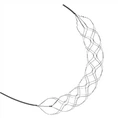
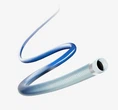
Endovascular aneurysm coiling is a minimally invasive treatment for brain aneurysms that involves the insertion of a small coil into the aneurysm to prevent it from rupturing. This innovative procedure is a significant advancement in the field of neurovascular medicine, offering patients a less invasive option that avoids open surgery.
Endovascular aneurysm coiling is a relatively new technique; it was first introduced in the 1990s. However, over the years, it has become increasingly popular as a treatment option for patients with brain aneurysms. The procedure is performed by neuroendovascular specialists who use X-rays and other imaging techniques to guide the placement of the coil into the aneurysm.
Cerebral aneurysm coiling works by filling the aneurysm with one or more small coils, which create a clot and prevent blood from flowing into the aneurysm. Over time, the coils are covered by a layer of cells, creating a permanent seal that prevents the aneurysm from rupturing. The procedure typically takes between one and two hours, and patients are usually discharged the following day.
One of the primary benefits of brain aneurysm coiling is that it is minimally invasive. Unlike open surgery, which requires a large incision and a long recovery period, endovascular coiling only involves a small puncture in the groin or wrist. This results in less pain and scarring, and a quicker recovery time. In addition, patients who undergo aneurysm coiling are able to return to their normal activities much faster than those who undergo open surgery.
Another advantage of neurovascular coil is that it is highly effective. Studies have shown that the procedure has a success rate of up to 90%, which is similar to that of open surgery. In addition, the risk of complications is and the mortality rate relatively low.
Cerebral aneurysm coil also has a lower risk of complications compared to open surgery. The procedure is less likely to cause damage to other organs or tissues, and it carries a lower risk of infection. In addition, patients who undergo aneurysm endovascular coiling are less likely to experience postoperative pain, complications, and require a longer hospital stay than patients who undergo open surgery.
Aneurysm coiling is particularly beneficial for patients who are not suitable candidates for open surgery due to factors such as age, health status, or the location and size of the aneurysm. The minimally invasive nature of the procedure makes it an ideal choice for older patients or those with health conditions that make open surgery a high-risk option.
Endovascular aneurysm coiling is a highly advanced and effective treatment for brain aneurysms that offers patients a minimally invasive option with a low risk of complications. The procedure is performed by skilled neuroendovascular specialists and has a high success rate. Patients who undergo endovascular aneurysm coiling experience less pain and a quicker recovery time than those who undergo open surgery, making it an excellent alternative for those who are not suitable candidates for traditional surgery. With ongoing advancements in technology, intracranial coiling is likely to become even more efficient, safe, and accessible to patients in the future.