



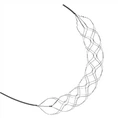
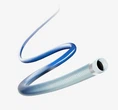
At present, the common way to treat ruptured intracranial aneurysms is intravascular intervention. The use of coil embolization can reduce the impact of blood flow on the aneurysm blood vessels, causing the ruptured aneurysm to form a thrombus, thereby curing the disease. With the development of medical technology, stent-assisted coil embolization has received widespread clinical attention. Stent support has a promoting effect on improving the hemodynamics of aneurysms.
The core content of stent-assisted coil embolization is to perform all surgical operations within the blood vessels. During the surgical operation, the influence of factors such as hydrocephalus and increased intracranial pressure can be avoided. It is relatively less traumatic and can prevent mechanical factors from stimulating the normal blood vessels and tissues around the intracranial aneurysm, which may cause the damage to the aggravation. It helps to improve the treatment effect of patients with ruptured intracranial aneurysms.
Scholars have found that because intracranial aneurysms develop rapidly and subarachnoid hemorrhage is an important factor affecting the condition of aneurysms, prolonged illness duration will further increase the risk of acute thrombotic complications, thereby causing damage to the patient's neurological function. Therefore, the effects of stent-assisted coil embolization on intracranial ruptured aneurysms at different surgical times are different:
1. Within 24 hours of onset
Since the degree of cerebral vasospasm is relatively mild in the early stage of intracranial aneurysm, the microcatheter can be smoothly delivered to the aneurysm site through stent-assisted coil embolization, and the obstruction encountered in this process is relatively small. Stent-assisted coil embolization within 24 hours of onset can significantly improve the aneurysm closure effect and reduce the degree of damage to normal brain tissue through early treatment; at the same time, stent-assisted coil embolization treatment for patients as soon as possible can timely reduce the blood supply to the aneurysm, promote the reduction of the aneurysm volume, help to quickly eliminate the lesion tissue, reduce the severity of the disease and the degree of brain tissue damage, and then reduce the body's inflammatory response.
2. Within 24 to 72 hours of onset
Since the timing of surgery exceeds 24 hours, the treatment time is relatively late. Patients with ruptured intracranial aneurysms will have vascular lesions and intracranial vascular damage, which will affect their hemodynamics, reduce the rate of complete interventional embolization, and then cause greater damage to the neurological function of patients with aneurysms. At the same time, if surgical treatment is performed within 24 to 72 hours, the time from onset is relatively long, the inflammatory response in the patient's body will become more intense, and the degree of stimulation to the patient's body will be greater, making the treatment more difficult and the treatment effect poorer.
In summary, stent-assisted coil intracranial embolization is a good treatment for intracranial ruptured aneurysms, can reduce the incidence of intraoperative bleeding, improve the patient's neurological function, and prevent excessive inflammatory response. However, different surgical timings will also affect the patient's neurological damage and inflammatory response during and after the operation. Compared with surgery within 24 to 72 hours, surgery within 24 hours will cause less neurological damage to patients, and the patient's inflammatory response will also be reduced accordingly.