



In recent years, the use of mechanical thrombectomy has become increasingly common in the treatment of acute ischemic stroke. This procedure involves the removal of blood clots using specialized equipment, allowing for improved blood flow to the brain and minimizing permanent neurological damage. When it comes to selecting the optimal stroke equipment, there are a variety of options available, including stent retrievers, aspiration catheters, and balloon guiding catheters. Each of these tools has its own advantages and disadvantages, and the best option for a given patient will depend on a variety of factors.
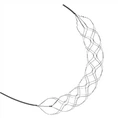
Stent retrievers are commonly used in mechanical thrombectomy procedures because of their ability to effectively remove large clots from the brain's blood vessels. These devices work by opening up the clot and physically removing it from the blood vessel. Stent retrievers are effective in achieving successful reperfusion in a high proportion of cases and have proven to be particularly useful in the treatment of severe strokes. Studies have shown that using stent retrievals leads to better outcomes and improves the chances of a patient making a full recovery.

Aspiration catheters, on the other hand, work by suctioning the clot directly out of the blood vessel. They are typically used in cases where the clot is smaller or more distally located within the blood vessel. Aspiration catheters are generally easier to use than stent retrievers and require less preparation time. Additionally, they are less invasive and can be used to treat a wider variety of lesions. Recent studies have demonstrated that using an aspiration catheter in conjunction with a stent retriever can improve outcomes, highlighting the complementary strengths of these two approaches.

Balloon guiding catheters are another option for mechanical thrombectomy procedures. These devices are typically used to guide the stent retriever or aspiration catheter to the site of the clot, providing support and stability during the procedure. Balloon guiding catheters are particularly useful when treating distal lesions or when accessing blood vessels that are difficult to reach. They are also less likely to damage the blood vessel than other types of catheters. However, the use of balloon guiding catheters can sometimes be challenging, and it requires a skilled practitioner to ensure proper placement and use.
When it comes to selecting the optimal stroke equipment for a particular patient, there are a number of important factors to consider. One of the most important factors is the size and location of the clot. Stent retrievers are generally more effective for larger clots, while aspiration catheters are better suited for smaller clots. Additionally, the location of the clot within the blood vessel will also play a role in determining the most appropriate equipment. A distal lesion may be better treated with an aspiration catheter or balloon guiding catheter, while a proximal lesion may require the use of a stent retriever.
Another important consideration is the skill level and experience of the practitioner performing the procedure. Each of these devices requires specific expertise to use effectively, and it is important to ensure that the practitioner is well-trained in using the chosen equipment. Additionally, patient factors such as age, medical history, and overall health should also be taken into account when selecting the optimal stroke equipment.
All in all, selecting the optimal stroke equipment for a given patient is a complex process that requires careful consideration of a variety of factors. Stent retrievers, aspiration catheters, and balloon guiding catheters all have their own unique advantages and disadvantages, and the best option for a particular patient will depend on factors such as the size and location of the clot, the skill level of the practitioner, and the patient's overall health. By carefully considering these factors and selecting the appropriate equipment, practitioners can help to ensure the best possible outcomes for patients undergoing mechanical thrombectomy procedures.