



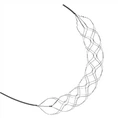
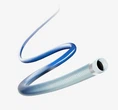
Intracranial thrombus aspiration catheter device is a revolutionary medical technology that has transformed the lives of many patients suffering from acute ischemic stroke. This device is an excellent example of how continuous innovation in the medical field can significantly improve patient outcomes and reduce disabilities caused by stroke.
The intracranial thrombus aspiration catheter device works by opening up blocked blood vessels in the brain. This catheter is inserted into the affected blood vessel, and a suction is applied to remove the clot that is blocking the flow of blood. Once the clot is removed, blood can flow freely, and the patient's brain is rapidly reperfused, minimizing the risk of permanent brain damage.
The development of this medical device has come at a time when acute ischemic stroke has become a leading cause of disability and death worldwide, affecting millions of people each year. It provides an effective treatment option for patients who experience acute ischemic stroke due to a blocked blood vessel in the brain, significantly reducing the risk of long-term disabilities and death.
Additionally, the intracranial thrombus aspiration catheter device offers several advantages over other treatment options. It is a minimally invasive procedure that can be performed quickly and safely. It also provides a high degree of precision, ensuring that only the affected blood vessels are treated, reducing the risk of damage to surrounding tissue.
Moreover, the device has been shown to be effective in a significant number of cases, with many studies reporting positive outcomes in a large proportion of patients. Patients who have undergone this treatment have shown a marked improvement in their condition, with many experiencing a full recovery.
The success of the intracranial thrombus aspiration catheter device has led to its widespread adoption and use in medical facilities worldwide. Medical professionals are continually researching and developing new ways to improve the device's effectiveness, further enhancing its ability to save lives and improve patient outcomes.
The intracranial thrombus aspiration catheter device is an excellent example of how innovation in the medical field can significantly improve patient outcomes. It is a safe, effective, and minimally invasive procedure that has transformed the treatment of acute ischemic stroke. With continued research and development, we can look forward to further improvements in this technology, benefiting countless patients worldwide and providing hope for those who may have otherwise suffered permanent brain damage or worse.