



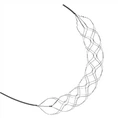
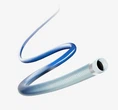
Endovascular mechanical thrombectomy is an innovative interventional treatment method that has been widely used in stroke patients. Mechanical thrombectomy is a technical method that involves puncturing the femoral artery, passing the thrombectomy device through the blood vessel to the location of the vascular occlusion, and then passing through the occluded blood vessel to remove the thrombus through the thrombectomy device or thrombectomy catheter to restore blood flow in the blood vessel.
Which patients are suitable for intravascular mechanical thrombectomy?
1. For patients with acute ischemic stroke caused by occlusion of the M1 segment of the middle cerebral artery and the carotid artery, if the MRS before the onset is > 1 point, ASPECTS < 6 points or NIHSS score < 6 points, intravascular mechanical thrombectomy can be selected after careful analysis of the benefit-risk.
2. If the requirements of intravenous thrombolysis and arterial thrombectomy are met at the same time, intravenous thrombolysis combined with arterial thrombectomy can be used as a bridging treatment mode.
3. For patients with acute ischemic stroke caused by occlusion of the anterior cerebral artery, vertebral artery, basilar artery and M2 segment of the middle cerebral artery.
4. For patients with tandem lesions with both intracranial and extracranial vascular occlusions.
In the past, multiple research trials have confirmed the benefits of endovascular thrombectomy in patients with specific types of acute stroke, especially those caused by anterior circulation large artery occlusion and associated large-area baseline infarction. These patients are often seriously ill and require emergency treatment to reduce brain tissue damage, and endovascular thrombectomy has been proven to provide an effective treatment for these patients by quickly clearing the thrombus and restoring blood flow.
Some scholars have conducted a large-scale stroke treatment evaluation trial to study the efficacy and safety of endovascular thrombectomy plus medical care in patients with acute stroke symptoms caused by anterior circulation large artery occlusion and large-area baseline infarction. Trials have shown that endovascular thrombectomy combined with medical care resulted in better functional recovery and lower mortality than medical care alone in patients with acute stroke who had a proximal large-vessel occlusion and a large baseline infarct (without an upper limit). However, this treatment approach is also associated with procedural complications and may increase the incidence of symptomatic intracerebral hemorrhage.
In summary, with the continuous advancement of medical technology, interventional treatment with intravascular mechanical thrombectomy has been more widely used, and breakthroughs are constantly being made in applicable symptoms and patients suitable for treatment.