



Acute ischemic stroke (AIS) is an acute interruption or obstruction of cerebral blood supply caused by factors such as atherosclerosis and thrombosis of cerebrovascular and carotid arteries, which leads to necrosis of brain tissue under ischemia and hypoxia. It has an acute onset and high morbidity, disability and mortality. Common treatments for AIS include thrombus aspiration and intravenous thrombolysis. Intravenous thrombolysis can achieve good clinical results, but its treatment time window is narrow, and patients often miss the best time for thrombolysis, while the application conditions of intravascular interventional treatment are wider. The clinical effects of intravenous thrombolysis and intravascular interventional treatment are different under different time windows.
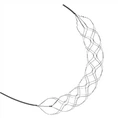
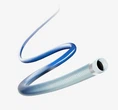
Studies have found that the total effective rate of intravenous thrombolysis for AIS patients within 4.5 hours of onset is 91.67%, while the total effective rate of patients with onset of 4.5 to 12 hours is reduced to 78.33%, indicating that intravenous thrombolysis has a large time window limit and the thrombolysis effect is poor for patients with severe vascular stenosis. Therefore, auxiliary means such as intravascular interventional treatment are usually used clinically to make up for the treatment effect outside the best time window of intravenous thrombolysis. At present, intravascular interventional treatment includes balloon dilatation, stent placement, thrombus aspiration, etc. The intravascular interventional treatment mentioned in this article is thrombus aspiration, which has a small wound and can dilate narrowed blood vessels. It uses mechanical technology to recanalize the blocked responsible blood vessels and prevent atherosclerotic plaques from falling off and blocking blood vessels, reducing the rate of blood vessel re-blockage, and has a good treatment effect.
The time window of intravenous thrombolysis combined with thrombus aspiration is very important. The later the thrombolysis treatment is performed after the onset of the disease, the lower the rate of postoperative vascular recanalization, and thrombolysis within 2 hours is the best. Patients with a longer thrombolysis treatment time window will have more severe neurological damage than patients who receive treatment within a short period of time after the onset of the disease. The prognosis of patients who receive thrombolysis late is worse than that of patients who receive treatment within a short period of time after the onset of the disease, and their daily living ability after surgery is also poor (mainly testing eating, dressing, walking, etc.).
It is well known that the prognosis of patients with cerebrovascular diseases is directly related to the immediate condition. The earlier the treatment, the better the prognosis and daily living ability of AIS patients. A study found that the blood pressure variability-related parameters of AIS patients with poor prognosis were significantly increased, indicating that the prognosis of patients is closely related to neurological deficits. It is speculated that the earlier the thrombolysis time, the better the patient's neurological recovery and prognosis, suggesting that controlling blood pressure in AIS patients may improve the prognosis level. Compared with non-interventional treatment, AIS patients who underwent thrombus aspiration within 6 to 24 hours of onset had no difference in the risk of intracranial hemorrhage within 72 hours, but had stronger daily living ability after 3 months.
In summary, within 4.5 hours of onset, intravenous thrombolysis combined with thrombus aspiration of AIS patients had the highest vascular recanalization rate, good patient prognosis level, daily living ability, and good safety.