



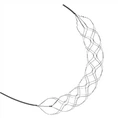
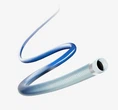
The field of neurovascular device design and development is rapidly growing with the advancement of medical technologies and the increasing prevalence of neurological disorders. These devices play a critical role in the diagnosis, treatment, and management of various conditions of the nervous system, including ischemic stroke, aneurysms, and arteriovenous malformations. Neurovascular devices are designed to enhance the safety, precision, and effectiveness of the interventions undertaken by neurosurgeons and interventional neuroradiologists. Neurovascular devices include stent retriever, aspiration catheter, detachable coil, liquid emboilc system, microcathter, etc.
In the past, the treatment of neurological disorders has been limited to surgical intervention and medication. However, with the development of neurovascular devices, it is becoming possible to diagnose and treat neurological conditions more accurately and effectively. These devices provide a non-invasive, minimally invasive, or interventional approach to treatment, greatly minimizing the risks associated with traditional surgery. Neurovascular devices are designed to address a wide range of conditions, from mild to severe, and offer targeted therapies that are customized to the specific needs of each patient.
Given the increasing demand for neurovascular devices, the design and development of these devices has become a highly specialized field. Neurovascular device engineers and scientists are dedicated to creating devices that meet the evolving needs of patients and healthcare professionals. The process begins with an understanding of the medical problem that the device is designed to address, and a thorough knowledge of the anatomy, physiology, and pathophysiology of the nervous system. This is followed by a rigorous design process that considers factors such as biocompatibility, safety, efficacy, and usability of the device.
The development of neurovascular devices involves a multi-disciplinary team of experts, including biomedical engineers, material scientists, neurosurgeons, interventional neuroradiologists, and regulatory specialists. These professionals work together to develop devices that meet stringent regulatory requirements while providing the highest level of patient care. Neurovascular device design and development is a long and complex process that requires collaboration, innovation, and continuous improvement.
One of the key benefits of neurovascular devices is their ability to facilitate minimally invasive procedures. These procedures are less traumatic and invasive than traditional surgery, and often result in faster recovery times and reduced hospital stays. Additionally, neurovascular devices can help improve patient outcomes by reducing the rates of complications and adverse events associated with traditional surgical interventions. Moreover, neurovascular devices offer a less expensive and more accessible alternative to traditional surgery, particularly for those patients who are not suitable for surgical intervention due to age, medical conditions, or other factors.
All in all, neurovascular device design and development is an exciting and promising field that offers numerous benefits to patients with neurological disorders. The advancement of medical technologies and the growing demand for minimally invasive procedures have driven the development of these devices. The design and development of neurovascular devices involves a multi-disciplinary team of experts who work to create devices that are safe, effective, and customized to the specific needs of each patient. In the coming years, we can expect to see continued growth and innovation in this field, leading to better outcomes and improved quality of life for patients with neurological disorders.