



Endovascular coiling and microsurgical clipping are two of the most common surgical procedures used to treat cerebral aneurysms. Both procedures aim to prevent the rupture of aneurysms, which can lead to fatal subarachnoid hemorrhages. In this article, we will discuss the differences between these two methods and their respective benefits and drawbacks.
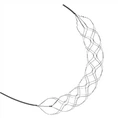
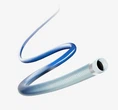
Endovascular coiling is a minimally invasive procedure that involves inserting a catheter into the femoral artery, guiding it up to the aneurysm, and then filling the aneurysm with tiny metal coils. These coils occlude the aneurysm, preventing blood flow from entering it and decreasing the risk of rupture. The procedure can be performed under local anesthesia, and patients usually recover quickly and experience minimal discomfort. Endovascular coiling is less invasive than microsurgical clipping and therefore has a lower risk of complications such as infections and postoperative bleeding.
On the other hand, microsurgical clipping involves opening the skull and exposing the aneurysm directly. Once the aneurysm is visible, the neurosurgeon uses a tiny clip to seal off the base of the aneurysm, preventing blood from flowing into it. This procedure is more invasive than endovascular coiling and requires general anesthesia. However, microsurgical clipping has been around for much longer than endovascular coiling and has a longer track record of success. Moreover, microsurgical clipping is more effective in completely sealing off an aneurysm and reducing the risk of regrowth.
The choice between endovascular coiling and microsurgical clipping depends on several factors, such as the size and location of the aneurysm, the age and overall health of the patient, and the experience and preference of the neurosurgical team. In some cases, endovascular coiling may not be feasible or effective, and microsurgical clipping may be the only option. In other cases, endovascular coiling may be the preferred method if the aneurysm is small and located in a less critical area of the brain.
Despite their differences, both endovascular coiling and microsurgical clipping have been proven to be effective in preventing aneurysm ruptures and improving patients' outcomes. Patients who undergo either procedure can expect to receive postoperative care and follow-up from their neurosurgical team to ensure that the aneurysm has been effectively treated and that progress is being made towards recovery.
In summary, there is no single right answer when it comes to choosing between endovascular coiling and microsurgical clipping. The decision should be made based on individual patient needs and the expertise of the neurosurgical team. Both methods have their benefits and drawbacks, but ultimately both have been proven to be effective in reducing the risk of fatal aneurysm ruptures and improving patients' quality of life.