



In the field of neurointerventional therapy, aspiration catheters are gradually becoming a shining star, bringing new hope to many patients with cerebrovascular diseases. Their emergence has greatly changed the treatment landscape for cerebrovascular diseases.
Neurointerventional aspiration catheters are primarily used to treat vascular occlusive diseases, with acute ischemic stroke being a key application scenario. When cerebral blood vessels are blocked by blood clots, resulting in ischemia and hypoxia in brain tissue, time is of the essence; every second of delay can lead to the death of numerous nerve cells. Aspiration catheters, with their unique design and functionality, can quickly and effectively restore blood flow.
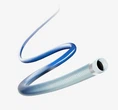
Structurally, aspiration catheters are typically made of soft, elastic materials, allowing them to smoothly navigate within blood vessels and reach various locations within the brain, such as the middle cerebral artery, basilar artery, and internal carotid artery. During the procedure, the doctor first uses angiography to precisely determine the location of the thrombus. This is like taking a clear picture of the blood vessels, allowing the doctor to clearly see where the thrombus is blocking them. The doctor then inserts the aspiration catheter into the patient's femoral or carotid artery and carefully guides it along the vascular path to the site of the thrombus.
Next, the crucial suction process begins. The doctor will use a suction pump or manual suction to generate negative pressure to "suck" the blood clot out of the blood vessel. Imagine it like using a straw to suck pearls out of a cup. The suction catheter removes the blood clot from the blocked blood vessel, allowing blood to flow smoothly again. This direct method of removing blood clots has many advantages over traditional methods such as drug thrombolysis. It can open blood vessels more quickly, reduce the time that blood clots stay in the blood vessels, and thus reduce the degree of damage to brain tissue.
Furthermore, the use of aspiration catheters offers the advantages of minimal trauma and rapid recovery. Compared to traditional craniotomy, it eliminates the need for opening the skull and allows for treatment through a single, small puncture point. This significantly reduces surgical trauma to the patient and significantly shortens postoperative recovery time. Many patients experience faster recovery of limb and speech function and improved quality of life following aspiration catheter treatment.
However, no medical technology is perfect. Suction catheters carry certain risks during use, including the potential for complications such as bleeding and cerebral edema. Therefore, this requires meticulous operation by a professional neurointerventional physician, who must also conduct a comprehensive preoperative assessment of the patient to select the most appropriate treatment plan.