



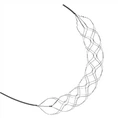
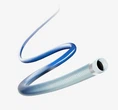
Flow directed microcatheter is a delicate tubular medical device used for intravascular interventional procedures. It is primarily designed to precisely deliver drugs, diagnostic reagents, or other devices to specific locations within the human vascular system, assisting in the diagnosis and treatment of diseases. It is suitable for neurointerventional procedures and plays a key role in the diagnosis and treatment of cerebrovascular diseases.
Structural Features of Flow directed microcatheter:
The main body of a flow directed microcatheter is typically made of a polymer material, offering excellent flexibility and a certain degree of strength. This flexibility allows it to conform to the curves and course of blood vessels, allowing for flexible navigation within them. Its strength ensures it resists deformation or breakage during insertion, ensuring smooth delivery to the target location. The tip is typically extremely slender, enabling it to easily navigate narrow or tortuous blood vessels and reach the lesion. The tip also features a special coating to further reduce friction with the vessel wall and minimize damage to the endothelium.
Working Principle of a Flow directed microcatheter:
During an interventional procedure, a flow directed microcatheter is first introduced into the vascular system under the guidance of a guidewire. Once the catheter reaches the proximal end of the target vessel, the guidewire is withdrawn and an appropriate amount of fluid is injected through the microcatheter. Due to the slender structure and excellent floating properties of the microcatheter tip, the thrust generated by the injected fluid and the blood flow dynamics within the vessel cause the catheter to naturally float along the blood flow, gradually reaching the lesion site.
Applications:
1. Cerebral angiography: It can be delivered to specific locations within intracranial vessels to inject contrast agents, demonstrating the degree of coronary artery stenosis and the location of lesions, providing crucial information for the diagnosis and treatment of coronary artery disease.
2. Cerebral aneurysm treatment: It is used to precisely deliver embolic materials, such as coils, into the aneurysm cavity to pack the aneurysm and prevent rupture and bleeding. It can also assist with other instruments in the treatment of complex aneurysms.
3. Acute ischemic stroke treatment: It can deliver thrombolytic drugs directly to the site of the thrombus, increasing local drug concentration and enhancing the thrombolytic effect. It can also be used in conjunction with thrombectomy devices to assist in reaching the thrombus site for thrombectomy.
The flow directed microcatheter's precise delivery, high safety, versatility, and ease of use have brought significant benefits to neurointerventional procedures.