



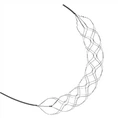
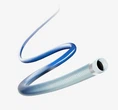
A microcatheter is a tubular medical device with extremely small inner and outer diameters. It is mainly used to deliver diagnostic reagents, therapeutic drugs, embolic materials, or assist other devices to reach specific lesion sites in tiny spaces such as blood vessels and cavities in the human body to achieve diagnostic or treatment purposes.
Microcatheters can be divided into four categories according to their application areas: neurointerventional microcatheters, cardiovascular interventional microcatheters, tumor interventional microcatheters, and other interventional microcatheters. Among them, neurointerventional microcatheters are specially designed for interventional operations in the brain and spinal cord systems. Due to the complex anatomical structure of brain blood vessels and the many and slender blood vessel branches, neurointerventional microcatheters need to have extremely high flexibility and maneuverability to accurately reach the lesion location. For example, in surgeries such as intracranial aneurysm embolization and acute ischemic stroke thrombectomy, the microcatheter must be able to pass through the tortuous cerebral blood vessels smoothly and deliver instruments such as coils and thrombectomy stents to the target.
The microcatheter consists of a tube body, a head end, and a tail end. The tube body is the main part of the microcatheter and has a certain length and inner diameter. The tube body needs to have good flexibility and anti-bending properties to adapt to the curved shape of human blood vessels and cavities, while ensuring that it is not easy to break during the pushing process. The length of the microcatheter body varies in different application fields, and neurointerventional microcatheters are generally shorter. The head end is extremely finely designed, usually in a gradually tapering shape to reduce resistance when entering a blood vessel or cavity. The flexibility and shape of the head end determine the super selectivity of the microcatheter, which enables it to easily enter small branch vessels. The tail end is connected to the operating handle, and the doctor uses the handle to push, rotate, and other operations on the microcatheter. The handle design conforms to the principles of ergonomics, which is convenient for doctors to precisely control. At the same time, the tail end is usually equipped with an interface that can be connected to other instruments such as syringes and guidewires.
In terms of materials, commonly used tubing materials for microcatheters include polyurethane, polyethylene, nylon, etc. Polyurethane has good flexibility and elasticity, and can adapt to the curvature of blood vessels while maintaining a certain strength; microcatheters made of polyethylene have good chemical stability and biocompatibility; microcatheters made of nylon have moderate hardness and are more commonly used in some operations that require strong support. In order to improve the anti-bending and pushing performance of the microcatheter, reinforcing materials such as braided fabrics such as stainless steel wire and nickel-titanium alloy wire are added to the tube body. These reinforcing materials can keep the microcatheter shape stable during the pushing process and are not prone to folding or twisting. Some microcatheters are coated with special materials, such as hydrophilic coatings, which can reduce the friction between the microcatheter and the blood vessel wall, making it easier to advance in the blood vessel; there are also anti-coagulation coatings that can reduce the coagulation of blood on the surface of the microcatheter and reduce the risk of thrombosis.
As a key device in the field of interventional medicine, microcatheters play an important role in the diagnosis and treatment of diseases. With the continuous advancement of technology and the growth of market demand, the microcatheter industry will usher in more opportunities and challenges, and its innovative development will also provide a strong impetus for the advancement of interventional medicine.