


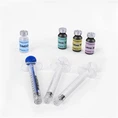
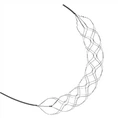
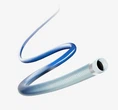
In the field of vascular interventional therapy in modern medicine, liquid embolization system plays an irreplaceable role as an important medical device. It provides an effective solution for the treatment of various vascular diseases and tumors, and greatly promotes the development of interventional therapy technology.
The working principle of the liquid embolic system is based on the special properties of its embolic material. For example, LAVA is a non-adhesive liquid embolic agent. During the injection process, it forms a gel-like shell on the outside through contact with the water in the blood, while the inside remains liquid. As the injection proceeds, it gradually forms a cast embolism in the blood vessel. Due to its non-adhesiveness, it can better control the embolic range and reduce the impact on the surrounding normal tissues.
Application areas of liquid embolic system:
I. Cerebrovascular disease
In the treatment of intracranial aneurysms, the liquid embolic system can inject embolic materials into the aneurysm cavity through the intravascular route to block the blood supply of the aneurysm and prevent it from rupturing and bleeding. For cerebral arteriovenous malformations (AVMs), it can accurately embolize the abnormal vascular mass, eliminate the abnormal arteriovenous short circuit, and restore normal cerebral blood circulation. In addition, in the treatment of cerebrovascular diseases such as dural arteriovenous fistulas, the liquid embolic system also plays a key role and can effectively block abnormal vascular shunts. At present, our Lava Liquid Embolic System is also mainly used for cerebrovascular diseases.
II. Peripheral vascular disease
In the treatment of varicose veins of the lower limbs, liquid embolic agents can be injected into the varicose veins to occlude the veins and achieve the purpose of treatment. For diseases such as peripheral arteriovenous malformations and hemangiomas, the liquid embolic system can control the progression of the disease and relieve symptoms by embolizing the diseased blood vessels. At the same time, in tumor interventional treatment, such as transarterial chemoembolization of liver cancer, the liquid embolic system can mix chemotherapy drugs with embolic materials and inject them into the tumor blood supply artery, which can block the blood supply of the tumor on the one hand, and slowly release chemotherapy drugs locally in the tumor on the other hand, improving the treatment effect.
The liquid embolic system has the advantages of high accuracy, precise embolic effect and strong operability. It can be accurately delivered to the target vascular site through a microcatheter, especially in some complex vascular structures, to achieve super-selective embolization, accurately strike the diseased blood vessels, and reduce damage to surrounding normal tissues. Its embolic material can form a firm embolism in the blood vessel, effectively blocking blood flow. For vascular lesions such as arteriovenous malformations, it can fundamentally eliminate abnormal vascular pathways, and the treatment effect is relatively long-lasting.