



In the field of cerebrovascular disease treatment, intracranial aspiration catheters, as a key medical device, are playing an increasingly important role. With the aging of the population and changes in lifestyle, the incidence of cerebrovascular diseases is on the rise, which puts higher demands on the treatment technology and related equipment for cerebrovascular diseases. The emergence and continuous development of intracranial aspiration catheters provide a new and effective means for the treatment of ischemic stroke, intracranial vascular thrombosis and other diseases.
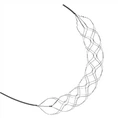
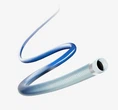
Intracranial suction catheters usually consist of multiple parts. The head end of the catheter is delicately designed, generally soft and has good compliance, which can better adapt to the complex vascular anatomy in the skull and reduce damage to the vascular wall. At the same time, the shape and opening design of the head end will also affect its suction effect. Common ones include straight heads, elbows, and different types of openings, such as side openings, end openings, etc. The main part of the catheter needs to have a certain strength and flexibility to ensure stability and operability during the intravascular push process. In addition, the catheter is often equipped with a guidewire cavity, which is used to cooperate with the guidewire to guide the catheter to the target position, as well as a suction interface, which connects the suction device to achieve the suction of substances such as thrombi.
The working principle of the intracranial suction catheter is mainly based on negative pressure suction. During the treatment process, the suction catheter is first sent to the intracranial blood vessel where the thrombus is located through the guide wire. Then, the suction catheter is connected to an external suction device (such as a syringe or a special suction pump), and the suction device is turned on to generate negative pressure. Under the action of negative pressure, thrombi and other blocking substances in the blood vessels are sucked into the catheter, thereby achieving blood vessel recanalization and restoring normal blood supply to the brain. The key lies in how to ensure effective suction of thrombi while minimizing damage to the blood vessel wall and avoiding complications such as thrombus detachment leading to distal vascular embolism.
Application scenarios of intracranial aspiration catheter:
I. Acute ischemic stroke
Acute ischemic stroke is one of the main application areas of intracranial aspiration catheter. In the golden time window after the onset of the disease, mechanical thrombectomy with intracranial aspiration catheter can quickly remove the thrombus blocking the cerebral blood vessels and recanalize the occluded blood vessels. Compared with traditional drug thrombolytic therapy, mechanical thrombectomy combined with intracranial aspiration catheter treatment has a higher vascular recanalization rate, especially for patients with large vessel occlusion.
II. Intracranial vascular thrombotic diseases
In addition to acute ischemic stroke, intracranial aspiration catheters can also play an important role in other causes of intracranial vascular thrombosis, such as intracranial venous sinus thrombosis. By accurately locating the thrombus site and performing aspiration, it can alleviate problems such as increased intracranial pressure and local blood circulation disorders caused by thrombus blockage, improve the patient's symptoms, and prevent the occurrence of serious complications.
III. Intravascular surgery assistance
In some complex intracranial intravascular surgeries, such as intracranial aneurysm embolization and cerebrovascular malformation interventional treatment, thrombosis or intravascular debris may occur. Intracranial suction catheters can be used as auxiliary tools to remove these substances in a timely manner, keep blood vessels open, ensure the smooth progress of the operation, and reduce the risk of surgery-related complications.
Intracranial aspiration catheters have the following two advantages:
I. Rapidly open blood vessels, which can directly remove thrombi in a short time and achieve rapid recanalization of blood vessels.
II. Precision treatment, with the help of advanced neuroimaging technology, doctors can accurately guide the intracranial suction catheter to the thrombus site, achieve super-selective thrombus suction, reduce the impact on surrounding normal blood vessels and brain tissue, and improve the accuracy of treatment.