


Intracranial ischemic stroke, also known as cerebral infarction, is a cerebrovascular disease that seriously endangers human health. It has the characteristics of high morbidity, high disability rate and high mortality rate, which brings a heavy burden to patients and their families, and also puts great pressure on social medical resources. In-depth knowledge of intracranial ischemic stroke is crucial for early prevention, timely diagnosis and effective treatment.
There are three common causes of intracranial ischemic stroke: vascular wall lesions, changes in blood composition, and changes in hemodynamics.
The most common vascular wall lesion is atherosclerosis, which is often associated with risk factors such as hypertension, hyperlipidemia, and diabetes. Long-term blood pressure, dyslipidemia, and poor blood sugar control can lead to damage to the vascular endothelium, lipid deposition, and the gradual formation of atherosclerotic plaques. These plaques can narrow the lumen of the blood vessels or even completely occlude them, hindering the blood supply to the brain. Increased blood viscosity is one of the common causes of changes in blood composition. For example, patients with polycythemia vera have an abnormally increased number of red blood cells, which leads to blood viscosity and easy formation of blood clots.
Treatments for intracranial ischemic stroke include intravenous thrombolytic therapy, intravascular therapy, and drug therapy.
For patients who meet the indications for thrombolysis, time is the key. Within 4.5 hours of onset, rt-PA is often used for intravenous thrombolysis, which can recanalize blocked blood vessels and save dying brain tissue. Within 4.5-6 hours of onset, urokinase and other thrombolytic treatments can be considered according to specific circumstances. However, thrombolytic treatment has a certain risk of bleeding, and patients need to be strictly screened and closely monitored.
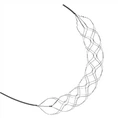
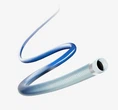
Intravascular treatment includes mechanical thrombectomy, angioplasty, and stent implantation. For patients with large vessel occlusion, mechanical thrombectomy can effectively restore vascular recanalization after strict evaluation within 6-24 hours of onset. By using thrombectomy stents, aspiration catheters and other devices, thrombi are removed to improve cerebral blood perfusion. Angioplasty and stent implantation are suitable for patients with cerebral vascular stenosis, which can dilate narrowed blood vessels and maintain vascular patency.
Drug treatment uses antiplatelet aggregation drugs to prevent further thrombosis. For patients who cannot undergo thrombolysis or thrombectomy, it is usually started within 24 hours after onset. At the same time, neuroprotective drugs are given to promote neurological function recovery.
Intracranial ischemic stroke seriously threatens human health. Understanding its causes, symptoms, diagnosis and treatment methods, and preventive measures is of great significance for reducing the incidence rate, increasing the cure rate, and improving the prognosis of patients.