




A brain aneurysm is a bulge in the wall of a blood vessel in the brain, which can rupture and cause severe consequences, like bleeding into the brain, stroke, and even death. The best way to treat a brain aneurysm is to prevent it from rupturing, as the outcomes of ruptured aneurysms can be disastrous. Several treatment options are available to manage brain aneurysms, including microsurgical clipping and endovascular coiling. The aim of this article is to analyze whether endovascular coiling is the best treatment for brain aneurysms.
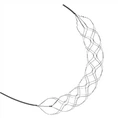
Endovascular coiling is a minimally invasive procedure used to treat brain aneurysms. In this method, a catheter is inserted through the femoral artery in the groin and navigated to the aneurysm in the brain. Once the catheter reaches the aneurysm, a soft and flexible coil is fed through it and released into the aneurysm dome. The coil fills up the aneurysm and prevents blood from flowing into it. Eventually, the aneurysm shrinks and becomes inactive.
One of the biggest advantages of endovascular coiling is that it is less invasive than microsurgical clipping. In a clipping procedure, a flap of the skull is removed to access the aneurysm, which increases the risk of complications like infection, blood loss, and prolonged hospitalization. In contrast, endovascular coiling is performed through a small incision and requires only local anesthesia. Therefore, patients who undergo coiling have a shorter recovery time and can return to their normal activities faster.
Another benefit of endovascular coiling is that it is effective in preventing aneurysm rupture. A study published in the New England Journal of Medicine found that endovascular coiling was associated with a significantly lower risk of death and disability compared to microsurgical clipping. The coiling procedure was well tolerated and had low complication rates, such as thromboembolic events, aneurysm re-rupture, and residual aneurysm filling.
Furthermore, endovascular coiling has several cost benefits. Compared to microsurgical clipping, endovascular coiling is less expensive and requires a shorter hospital stay. The reduced hospital stay reduces bed usage and increases efficiency, which can save on costs for both patients and healthcare providers. The coiling procedure also has a lower risk of complications, which may lead to fewer follow-up visits and lower healthcare costs.
However, endovascular coiling also has some limitations. Not all types of aneurysms can be treated with coiling. Aneurysms that have a wide neck or are complex in shape may not be suitable for coiling. In addition, cures or satisfactory treatments for brain aneurysms through endovascular coiling have improved in recent years, but there is still a small risk of aneurysm rupture or postoperative bleeding, especially if the coiling procedure is not done correctly.
All in all, many studies have shown that endovascular coiling is a minimally invasive, effective, and cost-saving treatment option for brain aneurysms. While it has limitations, including the requirement for selectivity and skill by the treating neurosurgeon (and its capacity-bearing limitations), it remains a good choice for many patients with brain aneurysms. Ultimately, the suitability of endovascular coiling as a treatment for a specific patient will depend on various factors, such as the size, location, and shape of the aneurysm. With advancements and innovations in endovascular treatment technology, it is possible that many more patients in the future may benefit from minimally invasive treatments like endovascular coiling.