




Introduction
Stroke is one of the most common causes of death and disability worldwide. Strokes occur when the blood supply to the brain is interrupted or reduced, leading to brain damage and dysfunction. The most common type of stroke is an ischemic stroke, which occurs when a blood clot blocks an artery in the brain. Thrombectomy is a minimally invasive procedure that can be used to remove the clot and restore blood flow to the brain. There are several techniques for thrombectomy, including the use of aspiration catheters and stent retrievers. This article will discuss the combined approach to stroke thrombectomy using an aspiration catheter with a stent retriever.
Aspiration Catheter
An aspiration catheter is a device that is used to suction out blood clots and other debris from the body. In a stroke thrombectomy, an aspiration catheter is inserted into the blocked artery in the brain through a small incision in the groin. The catheter is guided to the site of the clot using X-ray imaging. Once the catheter is in place, it is used to suction out the clot.
Stent Retriever
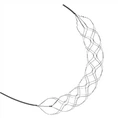
A stent retriever is a device that is used to retrieve blood clots from the body. Stent retrievers are designed to be inserted into the blocked artery in the brain and then expanded to create a mesh-like basket. The basket is then used to trap the clot, which is then removed from the body.
Combined Approach
In the combined approach to stroke thrombectomy, an aspiration catheter is used to suction out the bulk of the clot, while a stent retriever is used to retrieve any remaining pieces. The procedure begins with the insertion of the aspiration catheter into the blocked artery in the brain. The catheter is guided to the site of the clot using X-ray imaging. Once the catheter is in place, it is used to suction out as much of the clot as possible.
Next, the stent retriever is inserted into the artery. The retriever is positioned just downstream of the clot. The retriever is then expanded, creating a mesh-like basket that captures any remaining pieces of the clot. The retriever is then removed from the body, along with the captured clot.
Advantages of the Combined Approach
The combined approach to stroke thrombectomy using an aspiration catheter with a stent retriever has several advantages over other techniques. First, the combination of the two devices allows for the removal of a larger amount of clot than either device could alone. Second, the combination technique is less invasive than other techniques, which can lead to faster recovery times and fewer complications.
Conclusion
Stroke thrombectomy is a minimally invasive procedure that is used to remove blood clots from the brain. The combined approach to stroke thrombectomy using an aspiration catheter with a stent retriever is a promising technique that offers several advantages over other techniques. The combination of the devices allows for the removal of a larger amount of clot than either device could alone, while also being less invasive and leading to faster recovery times. As stroke thrombectomy continues to evolve, the combined approach is likely to become a more common and effective technique.