



Endovascular coil embolization has become a widely accepted treatment for intracranial aneurysms. The development of endovascular techniques and devices has made it possible to treat even very small aneurysms with a high degree of safety and efficacy. This article will provide a detailed analysis of endovascular coil embolization of very small intracranial aneurysms.
Introduction
Intracranial aneurysms are dilations of the blood vessels within the brain that can potentially lead to serious neurological complications, such as subarachnoid hemorrhage (SAH) and stroke. Treatment of intracranial aneurysms has traditionally involved surgical clipping, which requires a craniotomy and the placement of a metal clip over the aneurysm neck. However, advances in endovascular techniques have made it possible to treat intracranial aneurysms with minimally invasive procedures, such as coil embolization.
Endovascular Coil Embolization
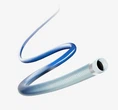
Endovascular coil embolization involves the placement of a thin, flexible wire (catheter) through a small incision in the groin and up into the blood vessels of the brain under X-ray guidance. The catheter is usually inserted into the femoral artery, guided up through the iliac artery, and then into the internal carotid artery (ICA) or vertebral artery (VA) that supply blood to the brain.
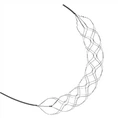
Once the catheter reaches the aneurysm, an embolic coil is inserted through the catheter and into the aneurysm sac. The coil is made of soft, metal wire that shapes itself to the contours of the aneurysm, forming a dense mesh that fills the aneurysm and prevents blood flow into the sac. In some cases, a stent may be inserted alongside the coil to help support the walls of the blood vessel and prevent the coil from being washed away by the blood flow.
Endovascular Coil Embolization of Very Small Aneurysms
The use of endovascular coil embolization to treat very small intracranial aneurysms has become increasingly common in recent years. Technological advances in microcatheters, coils, and imaging modalities have made it possible to treat aneurysms as small as 1-2 mm in size.
The management of very small aneurysms is particularly challenging because they are often difficult to visualize and treat. However, endovascular coil embolization offers several advantages over surgical clipping in this situation. The procedure is less invasive than surgery, does not require a craniotomy, and typically has a shorter hospital stay and recovery period.
Endovascular coil embolization of very small aneurysms has been shown to be safe and effective in several studies. A study published in the Journal of NeuroInterventional Surgery evaluated the safety and efficacy of endovascular coil embolization in 80 patients with very small intracranial aneurysms (less than 3 mm in size). The study found that the procedure was successful in treating 96% of the aneurysms, with no major complications or deaths within 30 days of the procedure.
Another study published in the Journal of Neurosurgery evaluated the long-term outcomes of endovascular coil embolization in 50 patients with very small intracranial aneurysms (less than 5 mm in size) over a 7-year follow-up period. The study found that the procedure was safe and effective, with 92% of the aneurysms successfully treated and no recurrence or major complications during the follow-up period.
Conclusion
Endovascular coil embolization is a safe and effective treatment for very small intracranial aneurysms. Technological advances in microcatheters, coils, and imaging modalities have made it possible to treat aneurysms as small as 1-2 mm in size with a high degree of safety and efficacy. The procedure offers several advantages over surgical clipping, including less invasiveness, shorter hospital stays, and faster recovery times. With proper patient selection and careful attention to procedural detail, endovascular coil embolization can be an effective treatment option for patients with very small intracranial aneurysms.