



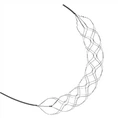

Stent retriever devices have revolutionized the treatment of ischemic stroke by restoring blood flow to the affected area of the brain. An ischemic stroke occurs when a blood clot blocks one of the vital arteries that supplies the brain with blood and oxygen. Without an adequate supply of blood and oxygen, the brain cells can die within minutes, leading to devastating consequences such as paralysis, speaking difficulties, and memory problems. However, with the use of stent retriever devices, physicians can now restore blood flow to the brain and potentially reverse the effects of an ischemic stroke.
So, how do stent retriever devices work to restore blood flow? Stent retrievers are designed to be highly maneuverable and able to access even the smallest arteries in the brain. They consist of a wire-mesh cylinder attached to a thin wire that the physician inserts into an artery in the groin and navigates through the vessels to the brain. Once the stent retriever is in place, the wire-mesh cylinder expands to fit the size of the blocked artery. The stent retriever device then captures the clot, allowing the physician to carefully retract the device and remove the clot from the patient's artery.
The process of retrieving the clot restores blood flow to the brain, allowing the brain cells to once again receive oxygen and nutrients. The longer the blood clot remains in the artery, the more damage is done to the affected area of the brain. Therefore, the use of stent retriever devices is critical in the prevention of long-lasting brain damage and severe disability.
While stent retriever devices are highly effective in restoring blood flow to the brain, they are not without risks. Some of the common side effects of stent retriever device use include bleeding, damage to the artery, and allergic reactions to the materials used in the device. However, these risks are minimal compared to the potentially devastating consequences of an untreated ischemic stroke.
In conclusion, stent retriever is a big breakthrough in the treatment of ischemic stroke by restoring blood flow to the affected area of the brain. These devices are highly maneuverable and can capture even the smallest clots, potentially preventing long-term brain damage and disability. While the use of stent retriever devices carries some risks, the benefits far outweigh the risks. NeuroSafe will continue to refine and develop stent retriever devices, hoping to further improve stroke treatment outcomes for patients worldwide.