




Endovascular stroke therapy, focused on stent retriever thrombectomy and direct clot aspiration, is a rapidly evolving field in the management of acute ischemic stroke. Stroke is one of the leading causes of death and disability worldwide, and prompt treatment is essential to reduce the risk of brain damage and improve long-term outcomes.
The traditional treatment for acute ischemic stroke is intravenous thrombolysis, which involves the administration of a thrombolytic agent to dissolve the clot that is causing the stroke. However, this treatment is limited in its effectiveness as it can only be given within a few hours of symptom onset and is not always successful in dissolving the clot.
Endovascular stroke therapy, on the other hand, involves a minimally invasive procedure in which a neurointerventional specialist accesses the blocked artery in the brain through a catheter inserted in the groin. Two main techniques are used in this therapy: stent retriever thrombectomy and direct clot aspiration.
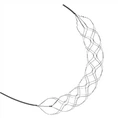
Stent retriever thrombectomy (SRT) involves the use of a specialized device that is inserted into the blocked artery. Once in place, the device expands and traps the clot, which is then removed along with the device, restoring blood flow to the affected area of the brain. This technique has been shown to be highly effective in opening blocked arteries in the brain, with a success rate of up to 90%.
Direct clot aspiration (DCA) is a newer technique that involves the use of a suction catheter to remove the clot directly from the blocked artery. This technique has been shown to be effective in cases where the clot is relatively small and located close to the surface of the brain.
Both SRT and DCA have shown promising results in clinical trials, with significantly improved outcomes for patients who receive these treatments compared to those who receive intravenous thrombolysis alone. Studies have also shown that these techniques are safe, with a low risk of complications.
The benefits of endovascular stroke therapy are clear: it is a highly effective treatment for acute ischemic stroke that can be used in a wider range of patients than intravenous thrombolysis alone. The technology is rapidly advancing, with newer devices and techniques being developed that promise to make the treatment even more effective and safe.
All in all, endovascular stroke therapy focused on stent retriever thrombectomy and direct clot aspiration is a game-changer in the management of acute ischemic stroke. It offers an alternative to traditional treatments that are often limited in their effectiveness, and has the potential to significantly improve outcomes for stroke patients. With ongoing research and advances in technology, the future of this field looks bright, and we can look forward to continued progress in the fight against stroke.