



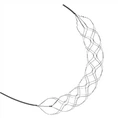
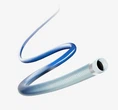
A detachable coil placement technique to treat an intracranial aneurysm is a minimally invasive procedure that offers several benefits to a patient. This technique involves using a guide wire and a microcatheter to deliver detachable coils to the aneurysm site, which will subsequently help to prevent blood flow and minimize the risk of rupture. The procedure is performed under an x-ray imaging guidance, known as fluoroscopy, and is suitable for patients with small to medium-sized aneurysms.
The procedure starts with the insertion of a catheter into an artery in the groin or arm. The catheter is carefully threaded through the blood vessels until it reaches the location of the aneurysm. Once in the desired location, a microcatheter is placed in the aneurysm, and detachable coils are delivered using the microcatheter. Detachable coils are platinum or other metal-based tiny mesh spheres that are packed inside the aneurysm to prevent blood flow into the affected area. The coils are flexible and pliable, so they can be molded into the right shape and size to seal the aneurysm entirely.
This technique is beneficial in several ways. First, it is comparatively safer than traditional invasive surgeries, which typically require open-skull surgery or sternotomy, as it is less invasive, and the patient experiences a shorter hospital stay and recovery period. Unlike traditional surgeries, this technique does not involve significant bleeding or tissue damage. Secondly, this technique offers a high success rate, with a favourable clinical outcome and minimal complications, such as infection, neurovascular injury, and aneurysm rupture. Third, the use of detachable coils can help to avoid the need for long-term anticoagulation therapy, which carries risks, making this procedure a more effective treatment option.
Another significant advantage of the detachable coil placement technique is its cost-effectiveness. This technique involves less use of healthcare resources, such as medical devices, hospital care, and staff time, than traditional surgeries. As a result, patients can avoid the high costs associated with these complex procedures, which can help to reduce the financial burden on healthcare systems.
Despite the advantages, there are some limitations to this technique. For instance, it is not suitable for patients with large aneurysms with a wide neck. These aneurysms are typically difficult to treat with coiling, and the risk of incomplete occlusion or re-opening is high. Secondly, long-term follow-up is critical, as the coils can move, loosen, or cause local inflammation, leading to aneurysm recanalization. Follow-up appointments and imaging are essential to address any potential concerns or adverse events that may arise.
In summary, the detachable coil placement technique is an innovative, safe, and cost-effective option for patients with small to medium-sized aneurysms. It offers high clinical success rates, minimal complications, and faster recovery times. However, proper patient selection and long-term follow-up are crucial for optimal outcomes. The advancement of this technique is an excellent example of how medical technologies can provide minimally invasive and effective treatments to improve patient quality of life.