



Hemorrhagic stroke is a serious and potentially life-threatening condition that occurs when a blood vessel in the brain ruptures and leaks blood into the surrounding brain tissue. This can lead to a range of symptoms, such as sudden and severe headache, difficulty speaking or understanding, loss of coordination or balance, and confusion. While there are several treatment options available for hemorrhagic stroke, endovascular coiling is a highly effective method that can greatly improve the chances of recovery.
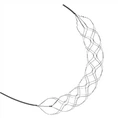
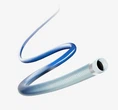
Endovascular coiling is a minimally invasive procedure that involves the insertion of a small, flexible coil into the ruptured blood vessel. This coil seals off the blood vessel and prevents further bleeding, thereby reducing the pressure on the brain and minimizing the risk of further damage. The procedure is typically performed under local anesthesia and can usually be completed in under an hour.
There are several benefits to endovascular coiling for hemorrhagic stroke. For one, it is a minimally invasive procedure that requires only a small incision, which means it can be performed quickly and with minimal discomfort to the patient. Additionally, the recovery time is generally shorter than with other treatment options, such as open surgery. Endovascular coiling also has a high success rate, with studies showing that it reduces the risk of death or disability in patients with hemorrhagic stroke.
One of the key advantages of endovascular coiling is that it allows for greater precision in treating the affected blood vessel. By using advanced imaging techniques, doctors can accurately locate the ruptured blood vessel and insert the coil in just the right spot. This ensures that the blood flow is effectively blocked without damaging any surrounding tissue. Moreover, the coil can be easily adjusted or removed if necessary, giving doctors greater flexibility in the treatment process.
In addition to its technical advantages, endovascular coiling also offers psychological benefits for patients and their families. Since it is a minimally invasive procedure that can be performed on an outpatient basis, patients typically experience less anxiety and discomfort than they would with open surgery. Furthermore, the shorter recovery time means that patients can return to their daily lives more quickly, which can help to alleviate some of the emotional strain that comes with a serious medical condition like hemorrhagic stroke.
Despite these benefits, it is important to note that endovascular coiling is not the right treatment option for every patient with hemorrhagic stroke. It is typically recommended for patients who are in good overall health and whose hemorrhage is located in a favorable location for coil placement. Patients with larger or more complex hemorrhages may require open surgery instead. As such, it is important to consult with a qualified neurologist or neurosurgeon to determine the best course of treatment for each individual case.
In conclusion, endovascular coiling is a highly effective and minimally invasive treatment option for hemorrhagic stroke that can greatly improve the chances of recovery. By blocking the affected blood vessel and reducing the pressure on the brain, endovascular coiling can help to minimize damage and reduce the risk of death or disability. While it may not be the best option for every patient, it is an important tool in the treatment of hemorrhagic stroke and has helped many patients recover and return to their normal lives.