



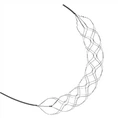

Aspiration and stent retriever techniques for proximal and distal occlusions are revolutionary developments in the field of neurointerventional surgery. These techniques have been found to be highly effective in the treatment of ischemic stroke patients and have significantly improved patient outcomes.
Aspiration technique involves the use of suction force to physically remove the clot from the intracranial vessel, whereas stent retriever technique involves the use of a microcatheter and a stent-like device to directly capture and remove the clot. Both techniques are minimally invasive and can be performed under local anesthesia, thus reducing the risks associated with general anesthesia.
In cases of proximal occlusions, particularly in the anterior circulation, stent retriever technique has been found to be highly effective with a high rate of recanalization and good clinical outcomes. This technique involves the deployment of a stent-like device inside the occluded artery, which then traps the clot and allows for its removal from the vessel. As compared to older techniques such as intra-arterial thrombolysis, stent retriever technique is associated with a significantly higher rate of recanalization and a lower risk of bleeding complications.
In cases of distal occlusions, particularly in the smaller vessels of the brain, aspiration technique has been found to be highly effective. With the use of a micro catheter and a suction device, the clot can be directly aspirated from the occluded vessel. This technique has been found to be highly effective, with a high rate of recanalization and good clinical outcomes. As compared to older techniques such as direct angioplasty, aspiration technique is associated with a lower risk of vessel injury and a more rapid recanalization time.
Overall, these techniques have significantly improved the outcomes for ischemic stroke patients. With improved recanalization rates and reduced risks, patients are experiencing better outcomes, with reduced disability and improved quality of life. The use of these techniques requires skilled operators and appropriate patient selection, but with proper implementation, they are powerful tools in the fight against stroke.
In summary, aspiration and stent retriever techniques for proximal and distal occlusions represent major advancements in the field of neurointerventional surgery. These techniques offer significant benefits over traditional treatments, with improved recanalization rates and reduced risks. With the right operators and patient selection, these techniques can provide patients with better outcomes, reduced disability, and a better quality of life. We can be optimistic about the future of ischemic stroke treatment with the continued development of innovative techniques in neurointerventional surgery.