



Stroke is a leading cause of death and disability worldwide, accounting for 11.8% of all deaths and being the second most common cause of death in patients over 60 years of age. Acute ischemic stroke, which accounts for approximately 87% of stroke cases, is caused by an occlusion in the cerebral artery. Urgent thrombectomy is the preferred treatment for acute ischemic stroke within six hours of symptom onset. Among the different methods of thrombectomy, the SWIM technique, which involves the use of the stent retriever and intermediate catheters, is widely used in clinical practice.
The SWIM technique is used to collect the removed thrombus and to prevent embolization. This report aims to review the applications of the SWIM technique in emergent thrombectomy.
Definition of the SWIM technique
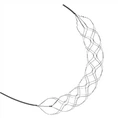
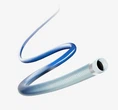
The SWIM technique is a generalized term that refers to a variety of medical devices and instruments, including the stent retriever, intermediate catheter, and other related materials. It's an advanced and efficient way to perform thrombectomy in an acute ischemic stroke patient. Simply put, it's the combined use of stent retrievers and intermediate catheters to achieve an optimal thrombectomy result.
How does it work?
The SWIM technique involves two basic steps. The first is the use of the intermediate catheter, which is inserted into the blood vessel and advanced into the thrombus, creating a channel for the stent retriever. The second is the use of the stent retriever, which grabs hold of the thrombus and pulls it out of the blood vessel. The stent retriever is fitted around a microcatheter and advanced along the intermediate catheter channel. By using this method, the blood flow can be maintained, and the risk of distal embolization can be minimized.
Advances of the SWIM technique
The SWIM technique has several advantages and benefits over other thrombectomy methods. Firstly, it can reliably recruit and trap clots in the device, resulting in a high thrombectomy success rate. Secondly, it can improve procedural safety by minimizing the risk of distal embolization. Lastly, it can ensure swift and efficient thrombectomy, which results in a high rate of good clinical outcomes.
Major influencing factors of the SWIM technique
The intermediate catheter is a critical component of the SWIM technique, as its design and size can affect the success rate. For instance, a smaller intermediate catheter size may increase the risk of clot fragmentation and distal embolization, while a larger one may hinder the stent retriever access to the thrombus. Moreover, the selection of stent retrievers can also affect the SWIM technique success rate. A recent study showed that the stent retriever with a larger diameter had higher recanalization rates and better clinical outcomes than those with a smaller diameter.
Clinical experience of the SWIM technique
Numerous clinical studies have proven the effectiveness of the SWIM technique. One recent study conducted in China compared the SWIM technique and other thrombectomy methods in acute ischemic stroke patients. The results demonstrated that SWIM was associated with a higher revascularization rate, shorter thrombectomy time, and fewer complications. Furthermore, the SWIM technique was also associated with better clinical outcomes, such as a lower mortality rate, a higher incidence of independent living, and a lower disability rate.
Conclusion
The SWIM technique has become an essential technique for thrombectomy in acute ischemic stroke. Its flexibility and reliability make it an outstanding therapy for achieving high recanalization rates and good clinical outcomes. Future research should continue to focus on optimizing the design of the intermediate catheter and stent retriever to improve the SWIM technique's effectiveness and safety. Additionally, in practical clinical work, physicians should pay attention to the selection of the appropriate technique and combine clinical experience to evaluate the efficacy and benefits of the SWIM technique.