



Introduction
In the field of interventional neurology, a balloon guide catheter is a critical tool for accessing the intracranial vasculature. It is used for thrombectomy procedures, which involve the removal of blood clots from the cerebrovascular system. The use of a balloon guide catheter is an essential technical aspect of these procedures, and there are two primary techniques for its implementation: FAST and ADAPT. This article will explore the fundamental differences between these two techniques, with a particular focus on the usage of a balloon guide catheter.
The FAST Technique
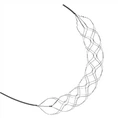
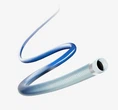
The FAST technique, which stands for "first-pass success thrombectomy," is a method that aims to remove clots from the cerebrovascular system in a single pass. This technique involves the insertion of a balloon guide catheter into the targeted cerebral artery to create a temporary blockage of blood flow. The balloon guide catheter remains inflated during the entire procedure to prevent the clot from breaking apart or migrating distally. Once the balloon guide catheter is in place, a stent retriever is inserted through the catheter to remove the clot.
The primary advantage of the FAST technique is its efficiency. The use of a balloon guide catheter and stent retriever in tandem reduces the number of passes required to remove the clot, which can reduce the procedural time and increase the chances of successful outcomes. Additionally, by preventing the clot from breaking apart or migrating, the FAST technique reduces the risk of distal embolization, a significant complication of thrombectomy procedures.
The ADAPT Technique
The ADAPT technique, which stands for "a direct aspiration first pass technique," is another method for removing clots from the cerebrovascular system. This technique involves the insertion of a microcatheter into the cerebral artery, which is then advanced to the location of the clot. Once the microcatheter is in place, a microcatheter aspiration device is inserted through the catheter to remove the clot.
The primary advantage of the ADAPT technique is its simplicity. As the name suggests, the technique involves a direct aspiration of the clot, without the need for a balloon guide catheter. This technique can reduce the procedural time and provide a more direct removal of the clot, as there is no obstacle between the microcatheter and the clot.
Comparison of the Techniques
The main difference between the FAST and ADAPT techniques is the use of a balloon guide catheter. The FAST technique involves the use of a balloon guide catheter to create a temporary blockage of blood flow and prevent distal embolization. The ADAPT technique, on the other hand, does not require a balloon guide catheter.
Another significant difference between the two techniques is their complexity. The FAST technique involves the use of two devices in tandem: the balloon guide catheter and stent retriever. This complexity can increase the procedural time and require more skill and experience from the interventionalist. The ADAPT technique, on the other hand, is a more straightforward procedure that involves device: the microcatheter and aspiration catheter device.
Conclusion
Both the FAST and ADAPT techniques are effective methods for removing clots from the cerebrovascular system. The choice of technique often depends on the size and location of the clot, as well as the interventionalist's experience and preference. The use of a balloon guide catheter is a critical technical aspect of the FAST technique, while the ADAPT technique avoids the need for a balloon guide catheter altogether. Ultimately, the success of the thrombectomy procedure depends on the interventionalist's skill and experience, as well as the patient's unique circumstances.