



Acute ischemic stroke is a medical emergency that requires fast and effective treatment. The goal of treatment is to restore blood flow to the brain as quickly as possible, in order to prevent irreversible brain damage. One of the most promising treatments for acute ischemic stroke is clot aspiration thrombectomy.
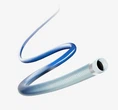
Clot aspiration thrombectomy is a minimally invasive procedure that involves the removal of a blood clot from the brain using a specially designed catheter, like thrombectomy aspiration catheter. The procedure is performed in the angiography suite, usually under local anesthesia. It involves the insertion of a catheter through the femoral artery in the groin and up through the blood vessels to the site of the clot in the brain.
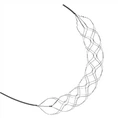
Once the catheter is positioned at the clot, a aspiration catheter device is used to aspirate the clot out of the brain. In some cases, a stent retriever may be used to grip the clot and then remove it together with the catheter. The procedure takes about an hour, and patients are typically awake and alert during the procedure.
Studies have shown that clot aspiration thrombectomy significantly improves outcomes in patients with acute ischemic stroke. The procedure is most effective when performed within six hours of symptom onset, but can be performed up to 24 hours after symptom onset in select patients. It is indicated for patients with a large vessel occlusion in the anterior circulation, as well as for patients who are not candidates for intravenous thrombolysis.
One of the advantages of clot aspiration thrombectomy is that it can be performed with a high degree of accuracy and precision. The catheter can be directed to the exact location of the clot, allowing for targeted removal of the clot without damaging surrounding brain tissue. This minimizes the risk of complications such as bleeding or infection.
Another advantage of clot aspiration thrombectomy is that it can be performed quickly, which is essential in the treatment of acute ischemic stroke. Time is of the essence in acute ischemic stroke, and delaying treatment can lead to irreversible brain damage. Clot aspiration thrombectomy can be performed within hours of symptom onset, allowing for rapid restoration of blood flow to the brain.
In addition, clot aspiration thrombectomy is associated with a high rate of successful recanalization. Recanalization refers to the restoration of blood flow to the blocked artery in the brain. Studies have shown that clot aspiration thrombectomy achieves recanalization rates of up to 90%, which is significantly higher than the rate achieved with intravenous thrombolysis alone.
Overall, clot aspiration thrombectomy is a promising treatment for acute ischemic stroke that offers several advantages over other treatment options. It is minimally invasive, accurate, and effective, and can be performed quickly. With continued research and innovation, it is likely that clot aspiration thrombectomy will become an even more effective and widely used treatment for acute ischemic stroke.