




Ischemic stroke is a leading cause of death and disability worldwide. It occurs when a blood clot blocks one of the major blood vessels in the brain. Mechanical thrombectomy has been established as a highly effective treatment for acute ischemic stroke caused by large vessel occlusion. Two of the most commonly used techniques in mechanical thrombectomy are direct clot aspiration and stent retriever thrombectomy. In recent years, a combined approach that utilizes both techniques has emerged as a promising strategy for improving the recanalization rates and clinical outcomes in patients with acute ischemic stroke. In this article, we will discuss the combined usage of direct clot aspiration and stent retriever thrombectomy, including the switching strategy and Solumbra technique.
Direct Clot Aspiration
Direct clot aspiration involves using a catheter to aspirate the clot directly from the occluded vessel. This technique is a simple and effective method for removing the clot, particularly for small, soft clots. Direct clot aspiration can also be used as a rescue technique in cases where stent retriever thrombectomy fails to achieve complete recanalization.
However, there are some limitations to direct clot aspiration. The technique may not be effective for larger, harder clots or for clots that are located in tortuous vessels. In addition, there is a risk of distal embolization and vessel injury if the catheter is not properly positioned.
Stent Retriever Thrombectomy
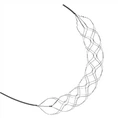
Stent retriever thrombectomy involves using a stent retriever device to capture and remove the clot. This technique has higher recanalization rates than direct clot aspiration, particularly for larger, more complex clots. Stent retrievers can also be used in conjunction with suction aspiration to remove the clot from the occluded vessel.
However, stent retrieval thrombectomy also has some limitations. The technique can be time-consuming, and there is a risk of vessel injury and distal embolization if the stent retriever is not properly positioned. In addition, the technique may not be effective for smaller or more distal clots.
Combined Approach
The combined usage of direct clot aspiration and stent retriever thrombectomy offers a number of advantages over either technique alone. Using both techniques allows for complete recanalization of the occluded vessel in a shorter amount of time, and it increases the overall success rate of the procedure. The two techniques also complement each other, with direct clot aspiration being effective for small, soft clots, and stent retriever thrombectomy being effective for larger, more complex clots.
Switching Strategy
The switching strategy involves starting with direct clot aspiration and switching to stent retrieval thrombectomy if the clot is not completely removed. This approach allows for a quick switch to a more effective technique if the initial technique fails. In addition, starting with direct clot aspiration can help reduce the risk of distal embolization and vessel damage that can occur during stent retriever thrombectomy.
Solumbra Technique
The Solumbra technique is a specific approach to the combined usage of direct clot aspiration and stent retriever thrombectomy. The technique involves using a large-bore aspiration catheter to perform direct clot aspiration, followed by stent retriever thrombectomy for the remaining clot. The Solumbra technique has been shown to be highly effective for achieving complete recanalization in patients with acute ischemic stroke caused by large vessel occlusion.
Conclusion
The combined usage of direct clot aspiration and stent retriever thrombectomy is a promising strategy for improving the outcomes of mechanical thrombectomy procedures in patients with acute ischemic stroke caused by large vessel occlusion. This approach allows for complete recanalization of the occluded vessel in a shorter amount of time and increases the overall success rate of the procedure. The switching strategy and Solumbra technique are specific approaches to the combined usage of these two techniques that can further improve the efficiency and effectiveness of mechanical thrombectomy procedures.