



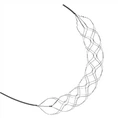
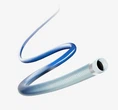
There are currently two main mechanical thrombectomy techniques for endovascular treatment of stroke. The first is stent retrieval. The second technique uses the FAST or ADAPT technique with a large diameter lumen aspiration catheter for direct thrombus aspiration. In addition, some studies have improved the recanalization rate through the combination of two main techniques, that is, the combined use of stent retrieval and direct aspiration.
Despite advances in equipment and technology, one-time thrombectomy does not guarantee 100% successful recanalization, regardless of whether stent retrieval or thrombus aspiration is used as the main technique. Even in the recent 2015 randomized controlled trials (mostly based on stent retriever) the conclusions are consistent. In a Dutch multi-center randomized clinical trial of endovascular therapy for acute ischemic stroke, the recanalization rate was 59%. In intra-arterial therapy, the rate of recanalization was 82%. In intra-arterial therapy prolongs the time of thrombolysis in emergency neurological deficits, and the rate of recanalization was 86%. The rate of recanalization in proximal small core infarction before endovascular therapy, emphasizing the minimization of CT to recanalization time (79% of the devices used were stent retrievers), and the recanalization rate was 72%. The rate of recanalization in SWIFT PRIME was 88%, and revascularization with a thrombectomy device was 66% compared with optimal medical management of anterior circulation stroke within 8 hours. Although the details of the intervention strategy varied slightly from trial to trial, these studies suggest that physicians need to prepare salvage strategies for patients who do not succeed with one strategy. Similar findings have been reported on the use of thrombus aspiration as the primary technique. Successful recanalization rates, defined as TICI 2b or 3, were 82% in the first FAST trial. Recanalization rates were 65% in the other FAST trial for acute ICA occlusion, and 75% in the ADAPT trial. If large diameter lumen catheter aspiration is used as the first-line technique, and multiple passes fail to recanalize, or the large inner lumen aspiration catheter fails to advance to the occlusion due to vessel tortuosity, the doctor may need to use stent retrieval or other treatment methods.
Based on the above studies, there have been some studies to increase the recanalization rate by using both stenting and aspiration. The first is called the switch strategy, switching from FAST to stent retrieval, and the second is the Solumbra technique, which uses both devices at the same time. While the two approaches share similarities in the concept of using two major technologies together, the details are quite different. Some of these differences lie in the governing rules and laws in force in the local area. For example, the switching strategy for mechanical thrombectomy actually originated from the restrictions of the Korean health insurance system. Specifically, South Korea's government-backed public health insurance system paid about 90% of the price of the first thrombectomy device, whether it was a stent retriever or a large diameter aspiration catheter for a stroke patient performing mechanical thrombectomy. This means that if the operator uses the second method for remediation, the patient's family will pay the full cost of the second method. On the other hand, in some other countries, such as the United States, the operator can decide whether to use a thrombectomy stent and a large diameter aspiration catheter at the same time to improve successful recanalization during the operation. The most common combination is the use of a thrombectomy stent and a aspiration catheter, therefore it was called "Solumbra technique".