



Intracranial aneurysms are a common condition that occurs when a weak area of a blood vessel in the brain bulges out, forming a balloon-like pouch. Although often asymptomatic, ruptured aneurysms can lead to serious health complications, including death. As such, it is essential to consider treatment options that can effectively manage intracranial aneurysms. One of these treatment options is detachable coiling.
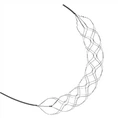
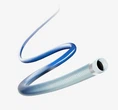
Detachable coiling for intracranial aneurysms is a minimally invasive procedure that aims to occlude the aneurysm and prevent it from rupturing. Through this method, a neurosurgeon embolizes the aneurysm by using a soft platinum wire, or coil, which is inserted through a small catheter placed in an artery in the groin. The coil is then navigated to the location of the aneurysm under X-ray guidance, and once at the site, the coil is released and held within the aneurysm.
The idea is that by filling the aneurysm with the coil, blood can no longer enter the aneurysm. As a result, the aneurysm sac thromboses and the aneurysm becomes occluded. It is important to note that the body may form a clot around the coil, which can provide an additional layer of protection against the aneurysm rupturing.
Detachable coiling has been found to have numerous benefits when compared to traditional surgical clipping. Firstly, it is less invasive, and patients can usually be discharged earlier. This means that patients can get back to their normal activities sooner, which can lead to both increased satisfaction and better overall outcomes. Additionally, because detachable coiling is less invasive, it is often considered a safer and more manageable option for patients who are not candidates for surgical clipping.
Moreover, comparable to surgical clipping, detachable coil has been found to be an effective treatment for managing intracranial aneurysms. Studies have shown that, overall, there is no significant difference in the efficacy between the two procedures in treating ruptured and unruptured aneurysms. However, in certain cases, detachable coiling may be the preferred option. For example, in patients with multiple aneurysms, detachable coiling can be used to manage aneurysms without interfering with other aneurysms in the brain. Furthermore, patients who have a small aneurysm or those who have a high surgical risk can also benefit from detachable coiling.
All in all, detachable coil for intracranial aneurysms is a minimally invasive procedure that can be used to manage ruptured and unruptured aneurysms. Although traditional surgical clipping remains an option, detachable coiling offers several advantages, including decreased invasiveness, shorter recovery times, and a safer option for some patients. As such, patients who are diagnosed with an intracranial aneurysm should explore their treatment options with their healthcare provider to determine which option is best for them.