



Cerebral aneurysms, also known as brain aneurysms, are small pouches or bulges that form in the walls of arteries that supply blood to the brain. Although they are usually asymptomatic, these aneurysms can rupture and cause bleeding in the brain, leading to a life-threatening condition known as subarachnoid hemorrhage. In fact, cerebral aneurysm rupture is responsible for up to 5% of all strokes in the United States. However, thanks to advances in medicine, cerebral aneurysm coiling has emerged as a promising approach to stroke prevention that is quickly gaining popularity among patients and healthcare professionals alike.
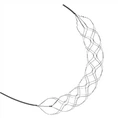
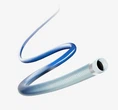
Cerebral aneurysm coiling is a minimally invasive procedure that involves threading a small, flexible catheter through an artery in the groin and up into the brain. Once the catheter reaches the aneurysm, a tiny, coil-shaped device is inserted into the aneurysm, causing it to clot and preventing it from rupturing. Unlike traditional surgery, which involves opening the skull and performing the procedure directly on the brain, cerebral aneurysm coiling is performed under x-ray guidance and requires only a small incision in the groin.
One of the greatest benefits of cerebral aneurysm coiling is its safety profile. Because it is minimally invasive, there is significantly less risk of complications such as infection and bleeding compared to surgery. Moreover, patients who undergo cerebral aneurysm coiling typically experience fewer postoperative complications, less pain, and a faster recovery time than those who undergo traditional surgery. In fact, many patients are able to return to their normal daily activities within a few days after the procedure.
Furthermore, cerebral aneurysm coiling is highly effective in preventing aneurysm rupture. According to the American Stroke Association, this technique has a success rate of up to 90% in preventing aneurysm rupture, which is similar to that of traditional surgery. Moreover, unlike surgery, cerebral aneurysm coiling does not require general anesthesia, and is therefore a less risky option for patients who are not good candidates for surgery due to underlying medical conditions.
In conclusion, cerebral aneurysm coiling is a revolutionary approach to stroke prevention that has changed the landscape of brain aneurysm treatment forever. Not only is it safe and effective, but it also offers patients a less invasive treatment option with fewer complications and a faster recovery time. As medical technology continues to evolve, cerebral aneurysm coiling will undoubtedly play an increasingly important role in stroke prevention, offering hope to patients and healthcare professionals alike.