


Acute ischemic stroke is a serious condition caused by a blockage of the blood supply to the brain. In recent years, local direct thrombectomy has been recognized as an effective treatment method with many advantages. This article will explore whether thrombectomy can be performed directly in acute ischemic stroke, and analyze its indications and precautions.
1. What is acute ischemic stroke?
Acute ischemic stroke, also known as cerebral infarction, is a blockage of blood supply vessels to the brain due to some reason, which severely affects the local perfusion of the brain, leading to hypoxia and death of nerve cells. It is a common type of stroke and one of the leading causes of death and disability.
2. What is direct thrombectomy technology?
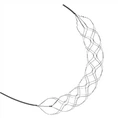
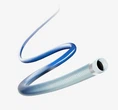
Direct thrombectomy technology is a treatment method that directly removes emboli through endovascular interventional surgery. It punctures the blood vessel through a catheter, locates the blood vessel where the embolus is located, and uses stent retrieval or special instruments to grab and pull out the embolus to restore blood flow.
3. Indications for direct thrombectomy
Direct thrombectomy is suitable for clearly diagnosed ischemic stroke caused by acute large vessel occlusion, such as large artery occlusion, large thrombosis, etc. According to research, the time window for direct thrombectomy is within 6 hours of onset, and the presence of the emboli needs to be confirmed through relevant examinations.
4. Advantages of direct thrombectomy
Advantages:
Can reduce brain tissue damage: Acute ischemic stroke can cause brain tissue damage or even death, and direct thrombectomy can quickly restore cerebral blood supply and reduce the size of the infarct area. This reduces the patient's neurological deficit and improves prognosis.
2. High success rate: Direct thrombectomy can quickly and directly remove the occlusive material and restore cerebral blood supply. Compared with drug thrombolysis, direct thrombectomy has a higher success rate. Some clinical studies have shown that the reperfusion rate of direct thrombectomy can reach 60%-80%, while the reperfusion rate of thrombolytic therapy is generally only about 30%-50%.
3. Significantly improve the quality of life: Direct thrombectomy can quickly restore cerebral blood supply and improve the patient's symptoms and functions. In some studies, patients after direct thrombectomy have significantly improved quality of life after discharge and are less dependent than patients on thrombolytic therapy.
5. How to perform direct thrombectomy?
1. Determine the indications: Neuroimaging examination is required to detect thromboembolism and ensure that it is within the onset time window.
2. Preparation for operation: Prepare catheters, pluggable instruments and other operating instruments to ensure a clean surgical environment.
3. Puncture positioning: percutaneous puncture, introduce the catheter to the location of the occluded blood vessel.
4. Thrombus removal operation: Introduce the thrombectomy instrument into the catheter, locate the embolus, and then perform the thrombectomy operation.
5. Observe recovery: After thrombectomy, closely monitor the patient's condition changes and provide appropriate treatment.
Direct thrombectomy technology is an effective method for the treatment of acute ischemic stroke and has significant advantages for patients with specific indications. However, this technology also has corresponding limitations, including time window restrictions and invasive operation risks. Therefore, before performing direct thrombectomy, it is necessary to accurately assess the patient's condition and the patient's own conditions, and make a comprehensive evaluation based on the doctor's opinion.