


Cerebral ischemia results from occlusion of cerebral arteries leading to an inadequate supply of blood and oxygen to the brain, resulting in neuronal injury. Middle cerebral artery (MCA) occlusion is a common cause of cerebral ischemia. In recent years, there has been significant progress in the intervention of ischemic stroke. One of the most significant advancements in the management of acute ischemic stroke is the development of mechanical thrombectomy devices. The middle cerebral artery is one of the most common sites for thrombotic occlusion, and treatment aims at restoring blood flow as soon as possible. This article will discuss four interventional treatment techniques that have emerged and are widely used in the management of ischemic stroke, including SOLUMBRA, ARTS, SAVE, and SWIM.
SOLUMBRA technique
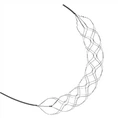
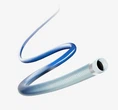
The SOLUMBRA technique is an endovascular mechanical thrombectomy technique that involves the combination of stent retrievers and aspiration catheters. This technique entails advancing the stent retriever into the occluded vessel, and after deployment, a catheter is advanced over the microcatheter to the thrombus. This catheter is then utilized to aspirate the thrombus. Recent studies have revealed that the utilization of the SOLUMBRA technique can result in fast and clinically significant recanalization.
ARTS technique
The ARTS technique, known as anterior circulation revascularization therapy in ischemic Stroke, is a technique that entails the utilization of a microcatheter and a microguidewire. The technique involves advancing the microguidewire beyond the occlusion, followed by infusion of a thrombolytic agent. Finally, a clot-removing device is utilized to remove the thrombus. Recent studies have demonstrated that treatment with the ARTS technique is safe and appears feasible for the treatment of acute ischemic stroke due to MCA occlusion.
SAVE technique
The SAVE technique stands for stent-assisted vascular recanalization. It involves the combination of stent retrievers and stents. The technique involves deploying a stent retriever into the occluded region followed by deploying a stent into the stent retriever to retrieve the thrombus. A recent study has shown that the SAVE technique is associated with a higher percentage of complete recanalization following an acute stroke in the middle cerebral artery.
SWIM technique
The SWIM technique is a technique that involves stent deployment for recanalization of the middle cerebral artery branch occlusions, including distal M2 and proximal M3. This technique has shown promising results in the management of acute ischemic stroke. A study has reported that the SWIM technique offers a successful recanalization rate in almost 90% of cases, with a favorable outcome in 55% of patients.
Mechanical thrombectomy has revolutionized the management of acute ischemic stroke. In recent years, several interventional techniques have emerged, including SOLUMBRA, ARTS, SAVE, and SWIM. These techniques have demonstrated significant improvement in recanalization and clinical outcomes following acute ischemic stroke due to middle cerebral artery occlusion. A study has reported that the SOLUMBRA technique has an 80% successful recanalization rate. The ARTS technique has shown a recanalization rate in the range of 88%-95% with a median time to recanalization of approximately 42 minutes. The SAVE technique has demonstrated favorable clinical outcomes with a recanalization rate of 85%, while the SWIM technique has shown significant improvement in the management of isolated M2 or M3 occlusion.
Overall, interventional techniques have improved the management of acute ischemic stroke, and mechanical thrombectomy remains the cornerstone of management. Stroke can carry significant mortality and morbidity, and rapid intervention is necessary to prevent further damage. These new techniques have allowed for faster recanalization and lower rates of morbidity and mortality.
In conclusion, the development and implementation of innovative techniques like SOLUMBRA, ARTS, SAVE, and SWIM have shown promising results in the management of acute ischemic stroke due to middle cerebral artery occlusion. The advancement towards the development of novel techniques continues to improve the management of ischemic stroke. The use of these techniques in combination with appropriate patient selection can lead to better clinical outcomes and improve the quality of life of patients with stroke.