



Arteriovenous malformations (AVMs) are abnormal clusters of blood vessels that occur in the brain or spine that disrupt normal blood and oxygen supply leading to severe brain damage or even death. The traditional treatment method has been cerebral resection and radiosurgery. However, with advancements in medical technology, liquid embolic systems have emerged as a minimally invasive endovascular treatment option with promising results.
Liquid embolic systems are composed of a liquid material that can solidify after its injection into the blood vessels. This material is called an embolic agent. Upon injection, the embolic agent solidifies and occludes the AVM, blocking blood flow through the abnormal vessels of the AVM. As a result, it prevents hemorrhage and also promotes shrinkage and degeneration of the AVM over time.
The main advantage of liquid embolic systems is their minimally invasive character, which reduces the risks and side effects associated with traditional treatment methods. Furthermore, liquid embolic systems allow for direct access to the site of the AVM, providing an opportunity to selectively embolize the smaller and intricately located AVMs.
There are several types of embolic agents utilized in liquid embolic systems for AVM treatment. Most of the embolic agents are polymer-based, with Onyx being the most commonly used. LAVA is composed of ethylene-vinyl alcohol copolymer and dimethyl sulfoxide. It has been demonstrated to be effective in the treatment of AVMs, especially when combined with advanced neuroimaging techniques which allow for precise guidance to the site of the AVM. Another embolic agent, n-butyl cyanoacrylate, is also used for the treatment of AVMs.
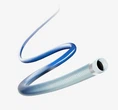
The procedure of liquid embolization starts with an MRI and angiography to map out the details of the AVM and its feeding blood vessels. Then, an endovascular specialist inserts a microcatheter via an artery in the groin or wrist until it reaches the AVM. The microcatheter delivers the embolic agent to the AVM and occludes blood flow to the AVM, leading to the formation of the embolus that permanently occludes the AVM.
Overall, liquid embolic systems for AVM treatment have shown to be a promising approach for treating AVMs, with minimal invasiveness, fewer side effects, and improved outcomes. It is crucial to remember that each case is unique, and it is necessary to choose the best treatment option based on the individual patient's situation and medical history.