



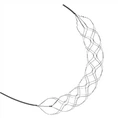
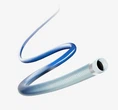
A microcatheter is a very thin, flexible tube used to deliver medication or other substances to very small blood vessels or organs. It is commonly used in interventional radiology and neurology procedures. There are different types of microcatheters available that are designed for specific purposes. This article will discuss the microcatheter types and their features.
1. Tip Shapes
Microcatheters come with different tip shapes, each designed for specific procedures. The most common tip shapes are tapered, straight, and angled. Tapered tips are designed for accessing small and narrow vessels, while straight and angled tips are preferred for larger vessels. They can also be classified based on their flexibility, such as soft or stiff tips.
2. Coatings
Microcatheters can be coated with different materials to improve their performance. Some of the common coatings include hydrophilic or hydrophobic coatings to reduce friction, anti-thrombotic coatings to prevent clot formation, and radio-opaque coatings to make them visible under X-rays. These coatings can help to smooth the insertion and removal of the catheter, making the procedure safer and more efficient.
3. Length and Diameter
Microcatheters vary in length and diameter, and these features are important for selecting the right catheter for a particular application. The diameter of the catheter determines the size of the vessel it can access, while the length is essential for reaching hard-to-reach locations. Depending on the procedure, the length of the microcatheter can range from a few centimeters to several meters.
4. Materials
Microcatheters can be made from various materials, such as plastic, metal, or a combination of both. Some of the latest microcatheter materials are based on advanced polymer technologies that offer better performance and durability. The material used for the catheter should be biocompatible, non-toxic and non-reactive with the substances being introduced into the vessel.
5. Guidewire Compatibility
Most microcatheters are designed to work with specific types of guidewires that serve as a pathway during the procedure. The compatibility of the catheter with the guidewire is essential for a successful application. There are different types of guidewires available, such as hydrophobic, floppy, and stiff, and selecting the appropriate guidewire can facilitate the procedure's performance.
6. Applications
Microcatheters are used in various medical applications, such as neurointerventional procedures, peripheral vascular disease, embolization, and radiological interventions. Each application requires a specific type of microcatheter that will fit the needs of the procedure. The selection of the catheter will depend on the vessel's size, the type of pathology, and the anatomical location.
In summary, microcatheters are essential tools used in various medical applications to deliver medication or other substances to small blood vessels or organs. There are different types of microcatheters available that are designed for specific purposes. The selection of the appropriate microcatheter will depend on the anatomical location, pathology type, and vessel size. The development of advanced polymer technologies has enabled microcatheters to offer better performance and durability, making them safer and more efficient in medical applications.