

Abstract
Mechanical thrombectomy is a highly effective treatment for acute ischemic stroke caused by arterial occlusion in the anterior circulation. Aspiration catheter reach to thrombus (ARTS) sign is a novel imaging parameter that determines the extent of thrombus aspiration during mechanical thrombectomy. The objective of this review is to evaluate the impact of ARTS sign in combined technique for mechanical thrombectomy on first-pass complete reperfusion.
Introduction
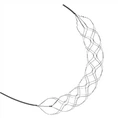
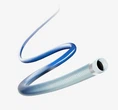
Stroke is a leading cause of morbidity and mortality worldwide. Acute ischemic stroke accounts for approximately 80% of all stroke cases and is caused by cerebral arterial occlusion. Mechanical thrombectomy has revolutionized the treatment of acute ischemic stroke caused by arterial occlusion in the anterior circulation. The current standard of care for mechanical thrombectomy is the deployment of a stent retriever device. However, stent retriever use is often associated with incomplete reperfusion, which can lead to poor neurological outcomes. To improve the rate of complete reperfusion, the combined technique, which involves the use of a stent retriever and an aspiration catheter, has been developed.
Aspiration catheter reach to thrombus (ARTS) sign is a novel imaging parameter that determines the extent of thrombus aspiration during mechanical thrombectomy. ARTS sign is defined as the presence of non-opacification or stagnation of contrast media within the aspiration catheter during the first few seconds of aspiration after the catheter tip contacts the thrombus.
Impact of ARTS Sign in Combined Technique for Mechanical Thrombectomy on First-Pass Complete Reperfusion
Several studies have evaluated the impact of ARTS sign in combined technique for mechanical thrombectomy on first-pass complete reperfusion. In a retrospective study of 127 patients, a positive ARTS sign was associated with a higher rate of first-pass complete reperfusion (71.4% vs 34.7%, p<0.001) and a lower rate of embolization to new territories (0.8% vs 13.8%, p=0.021) compared to a negative ARTS sign. In another retrospective study of 95 patients, a positive ARTS sign was associated with a higher rate of first-pass complete reperfusion (81.6% vs 47.1%, p=0.001) and a lower rate of multiple retrieval attempts (13.4% vs 42.9%, p<0.001) compared to a negative ARTS sign.
The impact of ARTS sign in combined technique for mechanical thrombectomy on clinical outcomes has also been evaluated. In a retrospective study of 180 patients, a positive ARTS sign was associated with a lower rate of symptomatic intracranial hemorrhage (8.7% vs 28.8%, p=0.007) and a higher rate of functional independence (modified Rankin Scale score 0-2) at 90 days (67.8% vs 38.5%, p=0.019) compared to a negative ARTS sign.
Discussion
ARTS sign is a simple and reliable imaging parameter that can be used to determine the extent of thrombus aspiration during mechanical thrombectomy. The use of ARTS sign in combined technique for mechanical thrombectomy has been shown to improve the rate of first-pass complete reperfusion and clinical outcomes. ARTS sign should be routinely assessed during mechanical thrombectomy to optimize the efficacy of the procedure.
Conclusion
ARTS sign is a novel imaging parameter that determines the extent of thrombus aspiration during mechanical thrombectomy. The use of ARTS sign in combined technique for mechanical thrombectomy has been shown to improve the rate of first-pass complete reperfusion and clinical outcomes. The routine assessment of ARTS sign during mechanical thrombectomy can optimize the efficacy of the procedure and improve patient outcomes.