


The clinical treatment of acute ischemic stroke must first open the blocked blood vessels in time and save the ischemic penumbra. Currently, non-surgical treatment methods are widely used in the clinical treatment of ischemic stroke. Standard intravenous thrombolysis is a basic method for the treatment of patients with acute ischemic stroke. In recent years, neurointerventional medicine has continued to develop, and new equipment and devices have been innovatively developed. At the same time, supported by evidence-based medicine, endovascular mechanical recanalization therapy can play a more effective role in the treatment of patients with acute ischemic stroke, and the safety of interventional treatment has been improved, which has received more and more attention. Intravascular recanalization treatment for acute ischemic stroke can be achieved by arterial thrombolysis, stent thrombectomy, catheter thrombectomy, balloon dilatation angioplasty, and stent struts, all of which can play a certain role in the treatment of acute ischemic stroke.
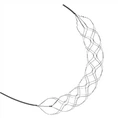
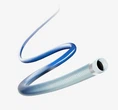
The study suggests that catheter aspiration and stent thrombectomy can both play a certain role in thrombolytic therapy for elderly patients with ischemic stroke. The combination of stent and intermediate catheter thrombectomy can improve the thrombectomy effect and improve the patient's neurological function and prognosis without affecting the safety of treatment.
The mechanical thrombectomy treatment method combining catheter aspiration and thrombectomy with stent thrombectomy is fundamentally a combination of catheter aspiration and thrombectomy technology and stent thrombectomy technology to promote the optimization and improvement of thrombectomy technology. This combination is not simply the simultaneous use of two thrombectomy technologies, but a more comprehensive and effective vascular recanalization method that has been gradually optimized and improved in clinical practice. With the clinical application and improvement, the combined thrombectomy technology has significantly increased the feasibility of actual operation, and can achieve significant thrombectomy effects, and can also ensure the safety of thrombectomy treatment. In the combined treatment of catheter direct aspiration and stent thrombectomy, the selected catheter is a multifunctional catheter, which can promote the rapid arrival of the carotid artery starting point during the thrombectomy process, help provide sufficient support during the thrombectomy treatment process, and ensure the smooth implementation of the thrombectomy process. In contrast, the operation technology of the balloon guide catheter is more difficult, especially for the thrombectomy treatment process of patients with intracranial large vessel occlusion, whose anterior communicating artery and posterior communicating artery are both open. Therefore, if the balloon guide catheter is used for thrombectomy, effective control of proximal blood flow cannot be achieved.
In summary, stent combined with intermediate catheter contact thrombectomy is a safe and effective method for the treatment of acute ischemic stroke. In the treatment of elderly patients with acute ischemic stroke, the use of stent combined with intermediate catheter thrombectomy can ensure a high rate of vascular recanalization. This thrombectomy method can effectively make up for the shortcomings of simple thrombectomy, which is of great significance for elderly patients, has a more prominent treatment effect, and can ensure the safety of surgical treatment.