



Stroke is one of the leading causes of death and disability worldwide. Fortunately, advances in medical technology have opened up new treatment options for patients suffering from stroke.
The use of aspiration catheters and stent retrievers thrombectomy devices in stroke intervention has revolutionized the way stroke is treated. These devices are designed to remove blood clots from the brain, restoring blood flow and preventing further damage to the brain tissue.
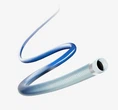
Aspiration catheters work by creating suction to remove the clot from the affected area in the brain. They are inserted into the blocked vessel using a catheter procedure, which is minimally invasive and avoids the need for open surgery. Once the catheter is in position, the clot is sucked out of the brain using a vacuum-like device. This technique has proven to be highly effective in treating acute ischemic stroke, with up to 70% of patients achieving successful recanalization.
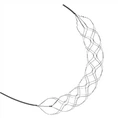
Stent retrievers, on the other hand, use a different mechanism to remove the clot. These devices are essentially small wire cages, which are delivered into the blocked vessel using a similar catheterization procedure as the aspiration catheter. Once the stent is in position, it is deployed, expanding the cage and pushing the clot against the wall of the vessel, allowing blood flow to resume. The stent is then removed, taking the clot with it. This technique has shown to be particularly effective in large vessel occlusions, with up to 90% of patients achieving successful recanalization.
Both the aspiration catheter and stent retrieval techniques require highly specialized training and expertise. Interventional neurologists have undergone extensive training and certification in order to use these new devices, and only a select few hospitals and medical centers have the necessary equipment and staff to perform these procedures.
Despite the challenges in accessing these new treatment options, the benefits cannot be overstated. For patients suffering from acute ischemic stroke, every moment is critical. The use of these new devices has dramatically increased the success rate of treatment, resulting in improved outcomes and reduced disability.
The development of these new devices is a testament to the ongoing commitment of the medical community to advancing patient care. With continued development and improvement, we can expect to see increasing success rates and improved outcomes for patients suffering from stroke.
To sum up, the use of aspiration catheters and stent retriever devices in stroke intervention has opened up new treatment options for patients, revolutionizing the way stroke is treated. Although highly specialized, the benefits of these new techniques cannot be overstated. With continued innovation and expertise, we can expect to see continued improvements in patient outcomes and reduced disability.