



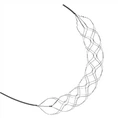
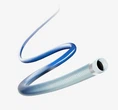
Liquid embolic systems (LES) are a type of medical device designed to treat cerebral aneurysms and arteriovenous malformations (AVMs). These devices consist of a liquid embolic agent, DMSO, and syringes. It is deliveried by a catheter. The catheter is used to introduce the embolic agent into the blood vessel, where it solidifies, effectively sealing off the aneurysm or AVM.
Liquid embolic systems are used as an alternative to traditional surgical methods of treating aneurysms and AVMs. Traditional surgical methods involve the insertion of metal coils or other materials to block off the blood vessel. However, these methods can be invasive and have a higher risk of complications. Liquid embolic systems provide a less invasive solution for the treatment of aneurysms and AVMs.
The embolic agents used in liquid embolic systems are typically made of biocompatible materials such as DMSO, ethylene-vinyl alcohol copolymer. These materials solidify upon contact with blood, forming a durable and long-lasting seal. The liquid embolic agent is delivered to the site of the aneurysm or AVM via a catheter, which is guided to the site using imaging techniques such as angiography or magnetic resonance imaging (MRI).
There are several benefits to using a liquid embolic system as opposed to traditional surgical methods. Firstly, liquid embolic systems are less invasive, meaning that patients may experience less pain and discomfort compared to traditional surgery. Additionally, the recovery time following a LES procedure is often shorter than that of traditional surgery.
Liquid embolic systems also offer a higher degree of precision when compared to traditional surgical methods. This is because the embolic agent can be precisely targeted to the aneurysm or AVM, allowing for a more accurate and effective treatment. Furthermore, liquid embolic systems are less likely to experience complications such as aneurysm rebleeding or recurrence, as the embolic agent forms a complete seal around the affected blood vessel.