



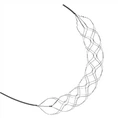
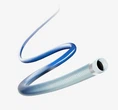
Microcatheters are a type of thin, flexible tube that are used to deliver medication or devices to specific areas of the body, such as the brain or heart. They are typically designed to be minimally invasive, allowing for smaller incisions than traditional surgical procedures, and they are frequently used for a wide variety of medical treatments. In this article, we will explore the key characteristics of a microcatheter and why they are important in modern healthcare.
One of the most important characteristics of microcatheters is their size. These devices are typically less than one millimeter in diameter, which allows them to be inserted through very small incisions in the skin. This minimizes the amount of tissue damage that occurs during medical procedures, reduces the risk of complications, and leads to faster recovery times for patients.
Another key characteristic of micro catheters is their flexibility. They are designed to be highly maneuverable, allowing doctors to navigate them through complex vasculature networks and reach areas that would otherwise be difficult or impossible to access. This is particularly important for neurosurgical procedures, where a high degree of precision and control is required.
In addition to their size and flexibility, microcatheters are also highly durable and constructed of high-quality materials. They are designed to withstand the stresses of medical procedures, like pressure. This ensures that they can perform their intended function safely and effectively.
Microcatheters are also designed to be highly versatile. They can be used for a wide variety of medical applications, including drug delivery, embolization (blocking of blood vessels), and diagnostic testing. This versatility makes them useful in a wide range of medical specialties, from neurology to cardiology to oncology.
One final characteristic of microcatheters is their compatibility with other medical devices. They are often used in conjunction with other tools, such as wires or catheters, to perform complex procedures. This requires that they be designed to work seamlessly with other pieces of medical equipment, enhancing their usefulness in clinical settings.
In conclusion, microcatheters are a critical tool in modern neurointerventional field. Their small size, flexibility, durability, versatility, and compatibility with other medical devices make them essential in many different medical specialties. With continued innovation and development, micro catheters will continue to play an increasingly important role in enhancing patient treatment outcomes and quality of life.